Moving Safely in Denver Winter: Expert Tips from ReloCrate
Moving during the winter months in Denver can be a daunting task, especially when faced with snow and ice. However, with the right preparation and strategies, you can ensure a safe and efficient relocation. This article will provide you with essential tips for navigating winter moving challenges, including how to prepare effectively, the best packing strategies, and safety measures for moving day. By understanding the unique challenges of winter relocations, you can minimize risks and make your move as smooth as possible. We will also explore the importance of weather monitoring and the necessary vehicle preparations to enhance your moving experience.
How Can You Prepare Effectively for a Winter Move in Denver?
Preparing for a winter move in Denver requires careful planning and consideration of the unique challenges posed by cold weather. Effective preparation can significantly reduce the risks associated with moving in snow and ice.
What Are the Key Steps to Plan a Safe Winter Relocation?
To ensure a safe winter relocation, follow these key steps:
- Monitor Weather Conditions: Keep an eye on the forecast leading up to your moving day to avoid severe weather.
- Schedule During Clear Weather: If possible, choose a moving date when the weather is expected to be clear.
- Prepare an Emergency Kit: Include essentials like blankets, snacks, water, and a first-aid kit in case of unexpected delays.
These steps will help you navigate the complexities of a winter move and ensure that you are well-prepared for any challenges that may arise.
Which Winter Moving Supplies Should You Have Ready?
Having the right supplies is crucial for a successful winter move. Essential winter moving supplies include:
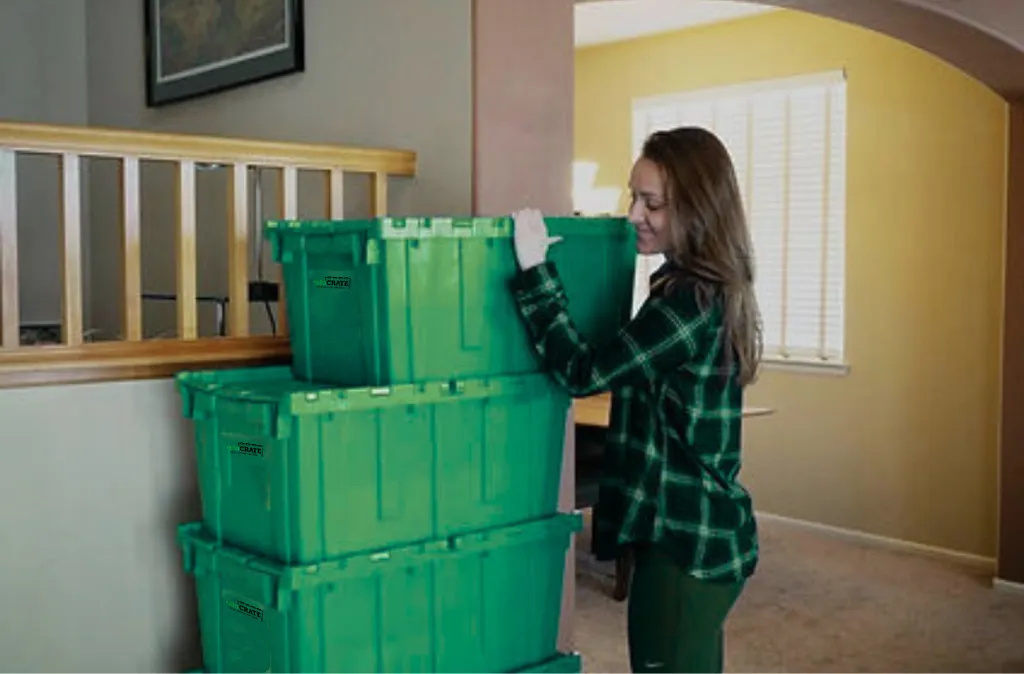
- Reusable Plastic Moving Crates: These are durable and protect your belongings from moisture.
- Winter Gear for Movers: Ensure that everyone involved in the move has appropriate clothing, including gloves, hats, and waterproof boots.
- Emergency Supplies: Keep items like a shovel, ice melt, and a flashlight handy to address any unexpected situations.
Equipping yourself with these supplies will help safeguard your belongings and ensure the comfort of everyone involved in the move.
What Are the Best Packing Strategies for Cold Weather Moves?
Packing effectively for a winter move is essential to protect your belongings from the harsh conditions.
How Do You Protect Furniture and Belongings from Snow and Ice Damage?
To protect your furniture and belongings from snow and ice damage, consider the following methods:
- Use Moving Blankets: These provide insulation and protection against moisture.
- Secure Lids on Crates: Ensure that all containers are tightly sealed to prevent water from entering.
- Plan for Weather Conditions: Be prepared to adjust your packing strategy based on the weather forecast.
Implementing these protective measures will help keep your items safe during the move.
What Cold Weather Packing Materials Are Recommended?
When packing for a winter move, consider using the following materials:
- Water-Resistant Packing Materials: These help protect your items from moisture damage.
- Insulation for Fragile Items: Use bubble wrap or foam to safeguard delicate belongings.
- Durable Boxes: Choose sturdy boxes that can withstand the weight of snow and ice.
Using the right packing materials will enhance the safety of your belongings during transport.
How Should You Navigate Snow and Ice During Your Denver Move?
Navigating snow and ice on moving day requires careful planning and awareness of safety practices.
What Are the Top Snow and Ice Safety Tips for Moving Day?
To ensure safety on moving day, follow these snow and ice safety tips:
- Clear Pathways: Remove snow and ice from walkways to prevent slips and falls.
- Use Traction Aids: Consider using sand or salt to improve traction on icy surfaces.
- Monitor Road Conditions: Stay informed about local road conditions to avoid hazardous areas.
These tips will help you maintain safety for yourself and your moving team.
How Can You Safely Drive Moving Trucks on Icy Roads?
Driving moving trucks on icy roads requires special precautions:
- Use Winter Tires: Equip your truck with winter tires for better traction.
- Maintain Safe Speeds: Drive slowly and cautiously to adapt to changing road conditions.
- Keep Distance from Other Vehicles: Allow extra space between you and other vehicles to react to sudden stops.
By following these driving safety practices, you can reduce the risk of accidents during your move.
What Vehicle and Equipment Preparations Are Essential for Winter Moves?
Proper vehicle and equipment preparation is vital for a successful winter move.
Why Are Winter Tires and Protective Gear Critical for Moving Trucks?
Winter tires and protective gear are essential for moving trucks because they provide:
- Enhanced Traction: Winter tires are designed to grip icy surfaces better than regular tires.
- Improved Safety: Proper gear helps prevent accidents and ensures the safety of the moving team.
- Reduced Risk of Accidents: Being well-prepared minimizes the likelihood of getting stuck or losing control on slippery roads.
Investing in these preparations can significantly enhance the safety of your move.
Research further emphasizes the critical role of tire traction in ensuring safety and efficiency for commercial vehicles operating on icy roads.
Commercial Vehicle Tire Traction on Icy Roads
Safety and minimal transit time are vital during transportation of essential commodities and passengers, especially in winter conditions. Icy roads are the worst driving conditions with the least available friction, leaving valuable cargo and precious human lives at stake. The study investigates the available friction at the tire-ice interface due to changes in key operational parameters. Experimental analysis of tractive performance of tires on ice was carried out indoor, using the terramechanics rig located at the Advanced Vehicle Dynamics Laboratory (AVDL) at Virginia Tech.
Tire traction of commercial vehicles on icy roads, AK Bhoopalam, 2014
How Do You Maintain Equipment Safety in Cold Weather Conditions?
To maintain equipment safety in cold weather, consider these practices:
- Regular Checks on Equipment: Inspect all moving equipment for functionality before use.
- Proper Storage Techniques: Store equipment in a dry place to prevent freezing and damage.
- Use of Protective Covers: Protect sensitive equipment from the elements with appropriate covers.
These maintenance practices will help ensure that your equipment remains safe and functional throughout the moving process.
How Can Weather Monitoring Improve Your Winter Moving Experience?
Monitoring the weather is crucial for planning a successful winter move.
Which Denver Weather Forecast Tools Help Plan Your Move?
Utilize the following tools to monitor the weather in Denver:
- Weather Apps: Use reliable weather applications for real-time updates.
- Local News: Stay informed through local news channels for severe weather alerts.
- Community Updates: Engage with community resources for additional insights on road conditions.
These tools will help you make informed decisions about your moving day.
How Does Monitoring Snow and Ice Conditions Reduce Moving Risks?
Monitoring snow and ice conditions can significantly reduce moving risks by allowing you to:
- Avoid Hazardous Areas: Stay clear of locations that are known to be dangerous during winter weather.
- Plan for Delays: Adjust your schedule based on weather forecasts to avoid complications.
- Adjust Moving Schedule: Be flexible with your moving date if severe weather is predicted.
By staying informed, you can navigate the challenges of winter moving more effectively.
What Insurance and Contingency Plans Should You Consider for Winter Moves?
Having the right insurance and contingency plans is essential for winter moves.
Why Is Winter Moving Insurance Important in Denver?
Winter moving insurance is crucial because it provides:
- Protection Against Damages: Insurance covers potential damages that may occur during the move.
- Peace of Mind: Knowing you are protected allows you to focus on the logistics of the move.
- Financial Security: Insurance can help mitigate the financial impact of unexpected incidents.
Investing in insurance can safeguard your belongings and provide reassurance during your move.
How Do You Prepare for Weather-Related Moving Delays and Damages?
To prepare for potential weather-related delays and damages, consider these strategies:
- Have a Backup Plan: Prepare alternative arrangements in case of severe weather.
- Communicate with Movers: Keep open lines of communication with your moving team regarding any changes.
- Stay Informed About Conditions: Regularly check weather updates to adjust your plans accordingly.
These preparations will help you manage any unforeseen circumstances that may arise during your move.
Where Can You Find Reliable Denver Residential Moving Services and Winter Supplies?
Finding reliable moving services and supplies is essential for a successful winter move.
How to Choose Trusted Moving Services in Denver’s Winter Conditions?
When selecting moving services during winter, consider the following criteria:
- Experience with Winter Moves: Choose companies that have a proven track record in winter relocations.
- Insurance Coverage: Ensure that the moving company offers adequate insurance for your belongings.
- Customer Service Reputation: Research reviews and ratings to find a company known for excellent service.
These criteria will help you select a trustworthy moving service that can handle winter conditions effectively.
What Winter Moving Supplies Does Relocrate Offer for Safe Relocation?
Relocrate offers a variety of winter moving supplies to enhance your relocation experience, including:
- Reusable Plastic Moving Crates: These eco-friendly crates are perfect for protecting your belongings from moisture.
- Dollies for Heavy Items: Make moving heavy furniture easier and safer with reliable dollies.
- Label Sets for Organization: Keep your move organized with clear labeling for all your boxes.
Utilizing these supplies from Relocrate can help ensure a smoother and safer moving process.
What Are Common Questions About Winter Moving Safety in Denver?
Addressing common questions about winter moving safety can help alleviate concerns.
How to Move Safely in Snow: Answers to Frequent Queries
To move safely in snow, consider these tips:
- Use Proper Footwear: Wear shoes with good traction to prevent slipping.
- Plan for Weather: Always check the forecast before moving day.
- Stay Informed: Keep updated on local conditions to adjust your plans as needed.
These practices will help ensure your safety during a winter move.
What Gear Is Needed for a Successful Cold Weather Move?
Essential gear for a successful cold weather move includes:
- Winter Clothing: Dress in layers to stay warm and comfortable.
- Safety Equipment: Have items like gloves and goggles to protect against the elements.
- Moving Tools: Ensure you have the necessary tools for disassembling and reassembling furniture.
Equipping yourself with the right gear will enhance your comfort and safety during the move.
For those seeking moving services in specific Colorado areas, Relocrate provides comprehensive support. Understanding the nuances of local regulations and conditions can significantly streamline your moving process.
When considering a residential move, it’s essential to have the right packing materials and strategies in place. Proper planning can protect your belongings from the elements and ensure a smooth transition to your new home.
If you’re looking to shop products for your upcoming move, consider investing in durable, weather-resistant options. These can provide added protection and peace of mind during the winter months.