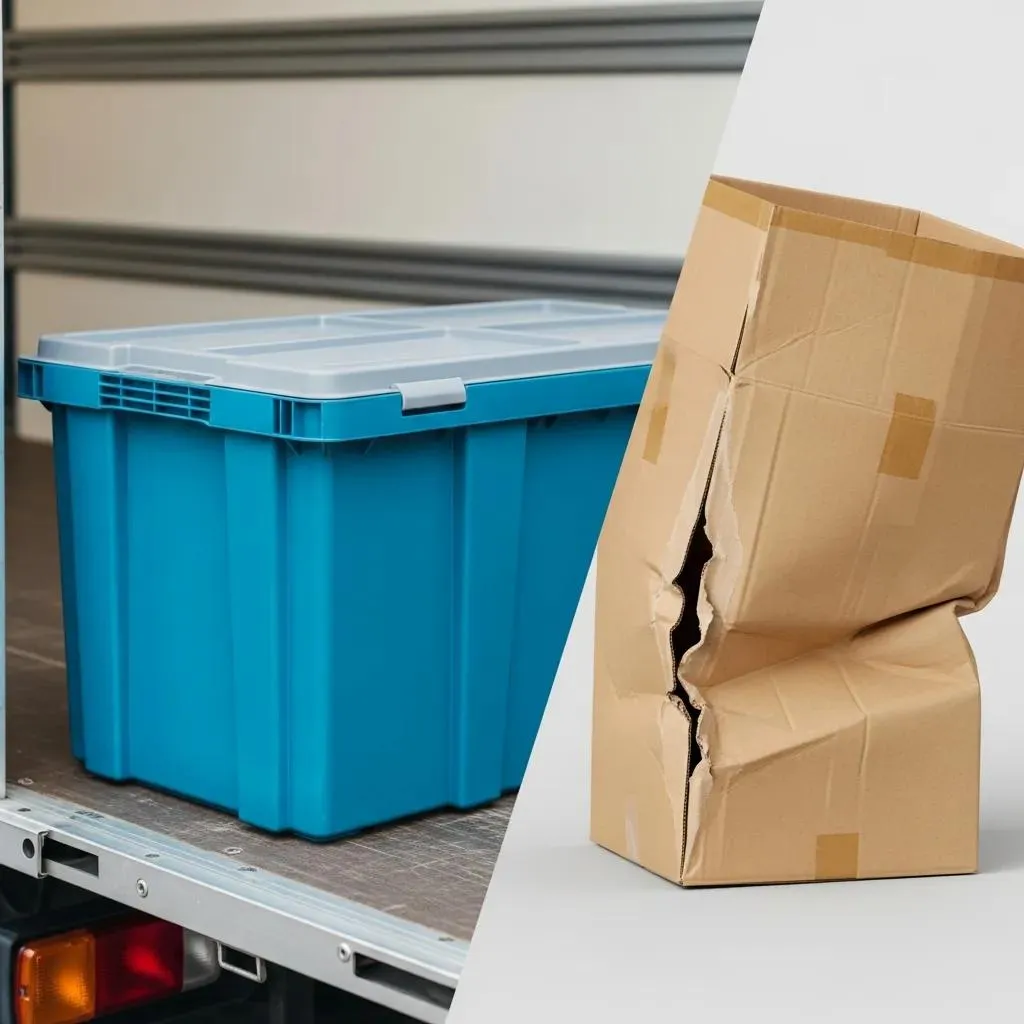
Cardboard vs. Plastic Moving Boxes: The Real Cost Breakdown
By Xavier Lee, ReloCrate
Choosing the right type of moving box can significantly impact the overall expense and experience of your move. With many individuals and families navigating the challenges of relocation, understanding the cost implications of cardboard versus plastic moving boxes becomes essential. This article delves into the financial, environmental, and practical aspects of both options, highlighting the long-term benefits and hidden costs associated with each type. Readers will get insights into initial costs, reusability, and how these factors contribute to the total moving expenses. We will explore critical considerations such as convenience and environmental impact to help you make informed decisions for your next move. For those looking for readily available solutions, you can explore the Relocrate moving box services.
Cost Breakdown: Cardboard vs. Plastic Moving Boxes
Moving can be an expensive endeavor, and the choice of boxes plays a crucial role in the overall cost. Cardboard and plastic moving boxes each have distinct initial costs, potential for reuse, and associated long-term expenses. Assessing these factors is vital in determining which option aligns better with your moving plan and budget.
Initial Costs:
When considering investment in moving supplies, the initial cost is often the first factor that comes to mind. Cardboard boxes generally present a lower upfront price, commonly available at $1 to $5 per box depending on size and type. In contrast, reusable plastic moving bins have a higher initial price range of approximately $5 to $15 each. Although plastic bins cost more upfront, they typically offer better durability and longevity, making them a worthy consideration for frequent movers.
Reusability:
Reusability is a significant point of consideration when evaluating moving boxes. Cardboard boxes are typically used once or maybe twice, especially if stored correctly. This results in a need to frequently purchase new boxes for subsequent moves, adding to the overall expenditure. Conversely, reusable plastic bins can last for years and withstand multiple moves without deterioration. This degree of reusability can lead to considerable savings over time if you anticipate needing boxes again.
Long-term Cost Implications:
Long-term savings associated with plastic boxes can be substantial. While the initial investment is higher, the durability and capacity for repeated use can offset costs after just a few moves. A household that moves every couple of years can benefit greatly by choosing a sustainable option, leading to savings that may add up to hundreds of dollars over time. Evaluating these long-term cost implications is essential before settling on a choice.
Hidden Costs:
Often overlooked, hidden costs in moving can significantly impact your total expenses. Cardboard boxes often necessitate additional purchases of tape, packing materials, and may even incur disposal fees at recycling centers. Plus, the risk of damage during transit with cardboard can lead to additional costs if items need replacing. Plastic bins, while initially more costly, eliminate the need for tape and reduce the likelihood of damage to fragile items, thus circumventing potential hidden expenses in the moving process.
Convenience Factors:
Convenience is key in the moving process, and the type of box you choose can greatly influence this aspect. Plastic bins offer a straightforward assembly and stacking capability, which can save time and effort during the moving process. On the other hand, cardboard boxes can be cumbersome to assemble and often require considerable preparation time, such as gathering additional materials for packing and securing items during transit. The ease of use provided by plastic bins can significantly enhance the efficiency of your move.
Environmental Considerations:
In today’s environmentally conscious society, considering the ecological impact of your moving supplies is crucial. Cardboard boxes are often recyclable, but they can also contribute to significant waste if not properly disposed of after a single use. In contrast, plastic moving bins are designed for longevity, which reduces waste over time. Moreover, the ability to reuse plastic bins reduces the demand for new materials, presenting a sustainable option for those concerned about environmental impacts.
Comparison of Reusable Plastic Moving Boxes vs. Cardboard Boxes
A detailed comparison of reusable plastic boxes against cardboard boxes provides insight into their respective advantages and disadvantages. For residential moves, considering specific solutions can be beneficial. Explore residential moving boxes for tailored options.
Initial Investment:
In terms of upfront financial commitment, the choice between cardboard and plastic moving boxes presents clear distinctions. While cardboard boxes are easily accessible and budget-friendly at first, the cumulative costs over multiple moves can make plastic bins a more financially sound investment due to their durability and reusability. Understanding the overall investment required for each option allows movers to allocate their budgets more effectively.
Sustainability Assessment:
Sustainability plays an increasingly significant role in the decision-making process for consumers today. Reusable plastic moving bins offer a sustainable alternative due to their longevity, whereas conventional cardboard boxes may end up in landfills after single-use. By opting for plastic, you not only invest in a more durable solution but also contribute to reducing the environmental footprint associated with frequent moving.
Storage Capabilities:
When considering storage during a move, the structural integrity of the boxes is paramount. Plastic bins excel in this regard, offering weather-resistant and stackable features that can accommodate heavy or fragile items without risk of collapse. Cardboard boxes, however, lack this resilience and may yield to moisture or heavy weights, necessitating careful handling and placement to avoid damage.
How do rental pricing models for plastic moving bins work?
Rental pricing models for plastic moving bins vary based on several factors, including duration of use, number of bins needed, and specific rental companies. Rates generally range from $2 to $10 per bin per week. Some providers may offer packages for those requiring a large number of bins or extended rental periods, ultimately making this option accessible while allowing you to avoid upfront costs for new purchases.
Calculating Total Moving Costs with ReloCrate
The total moving cost can experience significant variation depending on the choice between plastic bins and cardboard boxes. While the initial purchase price skews toward cardboard, long-term calculations show that plastic bins lead to greater savings with reduced frequency of purchases. Furthermore, hidden costs associated with cardboard boxes, such as damage repair and disposal fees, can push overall expenditures higher than anticipated.
How Does the Durability of Plastic Moving Bins Compare to Cardboard Boxes?
The durability of plastic moving bins significantly outperforms cardboard boxes under most conditions. Plastic bins are crafted to withstand various weather conditions, providing greater protection for belongings during transit. In contrast, cardboard boxes can easily become damaged if exposed to moisture or overpacked with heavy items, leading to a higher risk of material failure during a move.
What are durability ratings and reusability cycles of plastic vs cardboard boxes?
Plastic moving bins typically achieve a durability rating that allows for dozens of reusability cycles, perfect for frequent movers or storage needs. Conversely, cardboard boxes generally rate lower on durability, often lasting only a few cycles before increasing wear and tear necessitates their disposal. This disparity in durability sheds light on why many consumers prefer reusable plastic options over traditional cardboard when planning multiple moves or heavy packing.
How does durability impact moving convenience and cost savings?
The greater durability of plastic bins contributes significantly to convenience and cost savings during a move. With a lower risk of needing to replace bins frequently, moving logistics become seamless, with less time spent on repairs for damaged boxes and repacking. This efficiency not only enhances the entire moving experience but also protects your investment in the moving supplies themselves, ensuring a better return on your spending over time.
What is the Environmental Impact of Plastic Moving Boxes Compared to Cardboard?
The environmental impact of plastic moving boxes versus cardboard generally tilts favorably towards the reusability of plastic. As the world moves toward sustainability, understanding the lifecycle of your moving supplies can make a significant difference. While cardboard is recyclable, the processing and disposal can create an environmental burden if not done correctly. Opting for plastic bins reduces overall waste and supports a more sustainable recycling process over time, making them a better alternative for eco-conscious consumers.
How do lifecycle assessments evaluate the carbon footprint of moving supplies?
Lifecycle assessments provide insight into the carbon footprint related to moving supplies by evaluating the environmental impacts from production to disposal. Plastic moving bins can present a more favorable footprint over time when considering their usage and reusability in contrast to cardboard boxes that require consistent replacement. Analyzing these aspects can significantly inform a consumer’s choice toward sustainable practices in moving.
What sustainability advantages do reusable plastic bins offer over cardboard?
The sustainability advantages of reusable plastic bins center on their longevity and reduced waste production over time. By investing in boxes designed for multiple uses rather than single-use cardboard, consumers can dramatically decrease the environmental burden associated with frequent moves or packing needs. Additionally, the energy saved in manufacturing fewer replacement boxes marks another substantial benefit of choosing plastic bins over their cardboard counterparts.
Addressing the challenges in reusable packaging supply chains can further enhance these advantages.
Supply Chain Issues: Reusable Packaging Challenges
Supply chain issues in reusable packaging Supply chain issues in reusable packaging, 2004
What Rental Options and Pricing Models Are Available for Plastic Moving Boxes?
Various rental options are available for those who prefer flexibility and efficiency without the commitment of purchasing plastic moving bins outright. Pricing models typically cater to diverse needs, providing access to affordable rates per week based on how many bins are needed. Many rental companies also offer attractive deals for those requiring prolonged use, ensuring budget awareness when migrating.
How do rental boxes from Relocrate compare to competitors?
Competitory analyses of rental boxes indicate that options like those provided by Relocrate tend to offer competitive pricing along with high-quality materials. With features focused on durability and ease of use, Relocrate stands out for those prioritizing both functionality and environmental responsibility in their moving processes. Understanding these differentiators helps users make informed decisions when selecting rental services for plastic bins. For commercial moves, these offerings are particularly relevant, and you can explore commercial moving boxes.
How to Choose Between Cardboard and Plastic Moving Boxes for Your Move?
Choosing between cardboard and plastic moving boxes involves weighing various factors that can affect your moving strategy and budget. It’s critical to consider how often you move, the type of items being transported, and your willingness to invest upfront for long-term savings. Additionally, evaluating convenience and environmental considerations can guide your final decision. If you’re looking to purchase boxes directly, consider the products available in the Relocrate shop for a comprehensive selection.
What factors should influence your selection based on move type and budget?
- Frequency of Moves: If you’re a frequent mover, plastic bins may provide better value and durability.
- Type of Belongings: For fragile or valuable items, consider plastic bins for added protection.
- Budget Constraints: Weigh initial costs against potential long-term savings when deciding on your moving supplies.
What user experiences and testimonials reveal about box preferences?
User experiences often highlight plastic bins’ advantages in durability and convenience, while cardboard is sometimes praised for its affordability. However, many avid movers ultimately prefer the longevity of plastic bins, especially as they encounter repeated relocations. Gathering insights from reviews can provide practical feedback that influences your choice between the two types of boxes.