

Moving to Denver: Complete Guide for Students & New Movers: Relocrate
Moving to Denver for the first time is an exciting but complex process, especially for university students arriving from abroad or other parts of the country. This guide explains what first-time movers need to know about Denver in 2024, including climate and altitude effects, cost-of-living realities, neighborhood choices, transportation and lifestyle logistics, and a step-by-step relocation checklist tailored to students. You will learn practical pre-arrival tasks, precise budgeting categories, how to compare on-campus versus off-campus housing, and how to navigate the city’s transport and outdoor culture. The article also introduces a simple convenience option — Relocrate’s essential kits — as a targeted solution to reduce first-week stress without replacing core planning. Read on for featured tables that summarize costs and neighborhood trade-offs, lists of packing priorities and timeline steps, and actionable tips designed to make your Denver move smoother and faster.
What Should You Know Before Moving to Denver in 2024?
Denver is a high-elevation city with a four-season climate that combines intense sun, dry air, and variable winters, and understanding these conditions helps you prepare physically and logistically for relocation. The city’s altitude means newcomers may experience mild altitude sickness while adjusting, so hydration, gradual activity, and awareness of symptoms matter; this physiological mechanism affects stamina and sleep quality during the first weeks. Denver’s cultural profile emphasizes outdoor life, active recreation and a growing student social scene, which benefits newcomers seeking healthy routines and local part-time work opportunities. Before departure, complete key administrative steps—confirm university registration, arrange health insurance documentation, and gather certified ID and financial proof—to avoid arrival-day friction. A short note on convenience: packing a few pre-prepared items can simplify the first day, and Relocrate’s essential kits are designed to help with immediate arrival needs for students.
How Does Denver's Climate and Altitude Affect New Residents?

Denver’s altitude (approximately 5,280 feet or 1,609 meters above sea level) reduces available oxygen, which can cause light-headedness, shortness of breath, and sleep disruption until the body adapts over days to weeks. New residents should prioritize hydration, layered clothing for temperature swings, and sun protection because UV exposure increases with elevation; these mitigation steps reduce acute discomfort and support quicker adaptation. Seasonal extremes mean winters bring snow and icy conditions requiring warm footwear and traction-aware travel choices, while summer afternoons can be hot and dry, favoring breathable fabrics and sunscreen. Understanding these factors guides your packing and activity planning and leads naturally to choices about housing insulation, heating needs, and where to locate relative to campus transit links.
What Are the Key Cultural and Lifestyle Features of Denver?
Denver’s culture centers on outdoor recreation, a lively food and arts scene, and growing opportunities for students to engage in local communities, creating a blend of active lifestyle and urban convenience. Students often find study-friendly cafés, community events, and weekend trail access that support physical health and social integration while limiting expensive entertainment costs. The city’s job market and gig-economy roles offer part-time options, though availability varies by neighborhood and season, so students should plan flexible schedules and prioritize commute times. Recognizing how outdoor access, local social norms, and job opportunities interact helps you choose neighborhoods and daily routines that match academic and lifestyle priorities.
How to Plan Your Budget: Denver Cost of Living for Students in 2024
Planning a budget for Denver requires itemizing rent, utilities, groceries, transport, and healthcare while accounting for seasonal variations and student discounts that can reduce monthly outlays. Breaking costs into categories clarifies where to save—shared housing reduces per-person rent, transit passes lower commute costs, and student meal plans or budget grocery strategies cut food spending. Use the table below to compare typical monthly averages; these figures are intended as planning benchmarks to build a realistic sample budget. After the table, practical saving strategies show how to prioritize expenses and manage cash flow during academic terms and breaks.
The following table compares typical monthly student expense categories for quick planning and featured-snippet friendliness.
| Expense Category | Typical Monthly Range | Notes / Planning Tip |
|---|---|---|
| Rent (shared room/1BR) | $700 – $1,500 | Shared flats reduce costs; sign leases early for fall intake |
| Utilities (electric, heat, internet) | $70 – $160 | Expect seasonal spikes in winter heating months |
| Groceries | $150 – $300 | Cook at home and use student discounts where available |
| Transport (passes, occasional rideshares) | $30 – $120 | Monthly transit passes and bike options lower costs |
| Healthcare / Insurance | $50 – $200 | Verify university insurance requirements and clinics |
This budget snapshot helps you prioritize savings and decide whether on-campus housing or a shared off-campus flat fits your financial plan.
What Are the Average Housing and Utility Costs in Denver?
Average student housing costs depend on proximity to campus and whether you choose shared housing, studio, or a one-bedroom apartment; shared rooms in student-friendly areas tend to be the most affordable. In planning, consider lease timing—many landlords list the best student options months before term—and prepare documentation such as guarantor details or proof of income to secure leases. Utility billing often separates electricity, heating and internet, so estimate utilities as a separate monthly line item and ask about average winter bills when touring properties. These considerations reduce surprises and help you set realistic expectations when calculating total monthly housing expenses.
How Do Transportation, Groceries, and Healthcare Impact Your Budget?
Transportation, groceries and basic healthcare together create a predictable monthly baseline that students can influence directly through choices like transit passes, meal planning, and university health services usage. The public RTD network provides buses and light rail that students can leverage, and combining transit passes with occasional bike or scooter use reduces reliance on costly rideshares. Grocery budgets tighten with meal prepping and shopping at lower-cost stores, and students should explore campus clinics to manage routine healthcare needs efficiently. Identifying student discounts, seasonal card options, and local discount programs will reduce these recurring costs and improve overall budget stability.
Where Are the Best Neighborhoods in Denver for University Students?
Selecting a neighborhood involves balancing rent, commute time, and lifestyle preferences; prioritize proximity to campus, study-friendly environments, and access to transit when narrowing options. Students typically choose areas offering reliable transit links to the University of Denver or University of Colorado Denver, plus local amenities like laundromats, grocery stores and quiet study spaces. The table below presents a quick neighborhood comparison to help first-time movers scan options and match priorities quickly before scheduling viewings. Use the table to shortlist two neighborhoods for in-person visits and to evaluate trade-offs between nightlife and study-friendly atmospheres.
| Neighborhood | Typical Rent Range | Key Benefits / Drawbacks |
|---|---|---|
| LoDo / Lower Downtown | $1,000 – $1,800 | Close to nightlife and downtown jobs; higher rent and more noise |
| Capitol Hill | $800 – $1,400 | Central, lively cultural scene; mixed housing, good transit |
| Five Points / RiNo | $850 – $1,500 | Arts and food culture with growing student presence; variable pricing |
| University-adjacent areas | $700 – $1,300 | Short commutes and student services; competitive during term start |
This neighborhood comparison helps you prioritize which areas align with budget, commute needs, and lifestyle preferences when planning housing searches and lease timelines.
What Student-Friendly Neighborhoods Offer Convenient Housing Options?
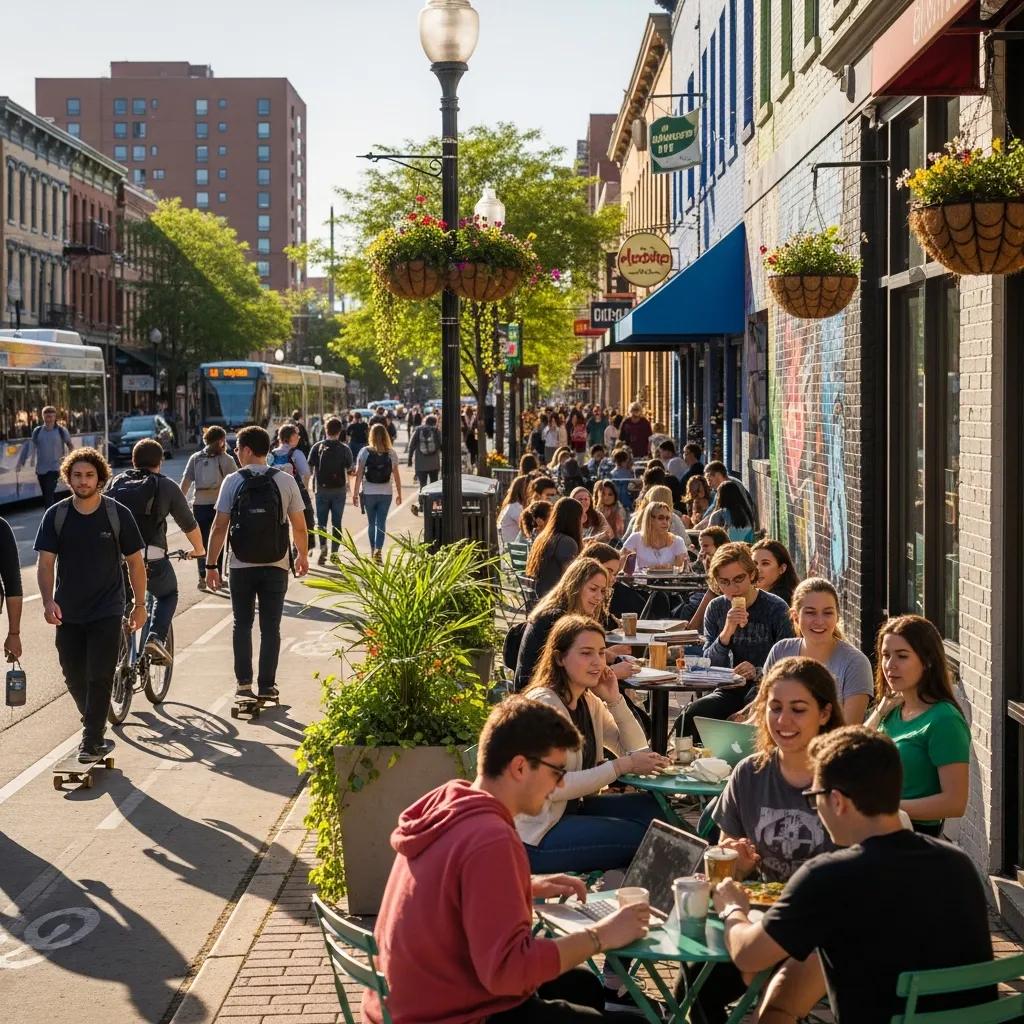
Several Denver neighborhoods are particularly student-friendly because they combine affordable shared housing, nearby transit, and essential amenities that support daily life and study habits. LoDo and Capitol Hill provide accessible entertainment and short commutes to central campuses, while Five Points and RiNo offer creative scenes and growing rental options for students seeking community. When touring potential flats, check for in-unit laundry, quiet study areas, and reliable internet as these amenities significantly affect daily life and academic performance. These practical amenities often determine whether a space supports your long-term well-being and academic goals.
How to Choose Between On-Campus and Off-Campus Housing?
Deciding between on-campus and off-campus housing comes down to costs, social priorities, and independence; on-campus options may simplify administrative steps and social integration, while off-campus housing can be cheaper when shared and offer more independence. Evaluate commute times, meal plan needs, and the social environment you want during your studies to determine which option fits your priorities best. Consider a list of decision criteria—budget, privacy, commute, community—and use it to compare specific offers before committing to a lease or campus residency. Making a clear comparison reduces uncertainty and speeds decision-making during the busy pre-term period.
How to Navigate Denver: Transportation and Lifestyle Essentials for Students
Getting around Denver efficiently combines public transport use, active travel choices, and seasonal safety awareness, enabling students to balance study schedules with outdoor recreation and part-time work. The RTD system of buses and light rail forms the backbone of urban transit and integrates with bike lanes and shared mobility options, offering flexible, lower-cost commuting choices for students. Practical tips for weekly planning, route reading and peak-hour strategies help students avoid delays and manage study time effectively. Understanding transit and outdoor options helps you plan weekend trips, save on transport, and make the most of Denver’s active lifestyle.
How Does the RTD Public Transportation System Work for Students?
RTD operates buses and light rail across Denver and is generally the most cost-effective way for students to commute, with student fare programs and monthly pass options that reduce per-trip costs. To use RTD efficiently, learn how to purchase passes, read route maps and plan connections between light rail and buses for campus commutes; doing this in advance shortens daily travel time. Practical boarding habits—arrive a few minutes early, validate passes properly, and check evening schedules—improve reliability and reduce missed connections. These transit skills enhance punctuality for classes and interviews and support a predictable routine.
What Are the Best Ways to Get Around and Enjoy Denver's Outdoor Activities?
Combining transit with active transport such as biking or walking unlocks access to Denver’s trails and parks at low cost while providing healthy recreation options that support student well-being. Weekend trips to nearby trails, city parks and cultural neighborhoods can be planned with light packing and basic outdoor gear rentals, balancing study needs with fresh-air recovery. Safety considerations—layering for temperature swings and altitude-awareness—ensure enjoyable outings without overexertion, and low-cost gear strategies like borrowing or renting reduce financial burden. Integrating outdoor activity into your weekly routine supports mental health and builds a sense of belonging in the city.
What Are the Key Steps in Your Denver Relocation Checklist?
A clear, chronological relocation checklist reduces stress by sequencing pre-departure, arrival and first-month tasks so nothing important is missed during a busy move. Pre-departure actions include finalizing university registration, securing health insurance, and organizing certified copies of documents, while arrival tasks focus on getting a local SIM, opening bank accounts, and registering with campus services. The table below condenses these tasks into a scannable HowTo-style table with timing and expected outcomes to guide first-time movers and to serve as a basis for HowTo schema or a printable checklist. After the table, an implementation list breaks down immediate priorities for the first 7–14 days.
| Task | Recommended Timing | Outcome / Notes |
|---|---|---|
| Confirm university registration | 2+ months before | Ensures housing and orientation access |
| Arrange health insurance and documents | 4-8 weeks before | Avoids delays at enrollment and clinics |
| Book travel and arrival logistics | 2-4 weeks before | Reduces arrival-day stress and transit confusion |
| Set up local SIM & basic banking | Arrival / Day 1–3 | Enables communication and payments |
| Register with university services | First week | Access to campus health, counseling, and transit passes |
This checklist creates a practical roadmap for managing administrative and practical tasks without last-minute complications.
Which Documents and Preparations Are Essential for UK Students?
UK students should prioritize carrying original and certified copies of university acceptance letters, passport and ID, insurance proof, and any required financial documentation to present during arrival or university registration. Prepare electronic backups of documents and ensure multiple physical copies are easily accessible during travel and early arrival; having a short list of emergency contacts and campus support numbers is also advisable. Timing matters: arrange key items like health insurance and proof of funds several weeks before departure to prevent hold-ups during enrollment. Completing these administrative essentials ahead of time leaves room to focus on settling into housing and academic orientation.
How Can Relocrate's Essential Kits Simplify Your Move?
Relocrate’s essential kits provide pre-packed, student-focused bundles that cover immediate arrival needs—bedding basics, kitchen starters and toiletries—so new arrivals can prioritize administrative setup and rest on day one. These kits bring convenience and time-saving value by eliminating the need to shop for a long list of small items upon arrival; a kit typically includes key first-week essentials that keep students comfortable while they source longer-term household items. Ordering in advance ensures the kit is available at or shortly after arrival and reduces the cognitive load of managing multiple errands in a new city. For students and parents seeking a practical, low-effort way to cover first-week necessities, Relocrate’s approach targets convenience and reliability without replacing standard relocation planning.
- Immediate benefits of an essential kit include time savings, reduced logistic stress, and a consistent set of essentials suited to student life.
- Typical kit contents focus on sleep (basic bedding), food prep (simple utensils), and personal care (toiletries) to cover the most urgent needs during the first days.
- Next steps for interested students: plan kit timing around your arrival date and coordinate kit delivery with your first-place-of-stay to maximize convenience.
- Pre-arrival: Check what your accommodation provides and order only missing essentials.
- Arrival day: Unpack bedding and basic toiletries first to ensure rest and recovery.
- First week: Use the kit items to bridge the gap while sourcing long-term supplies locally.
This short commercial touchpoint remains supplementary to the main relocation planning steps and is designed to save time during the crucial first days after arrival.