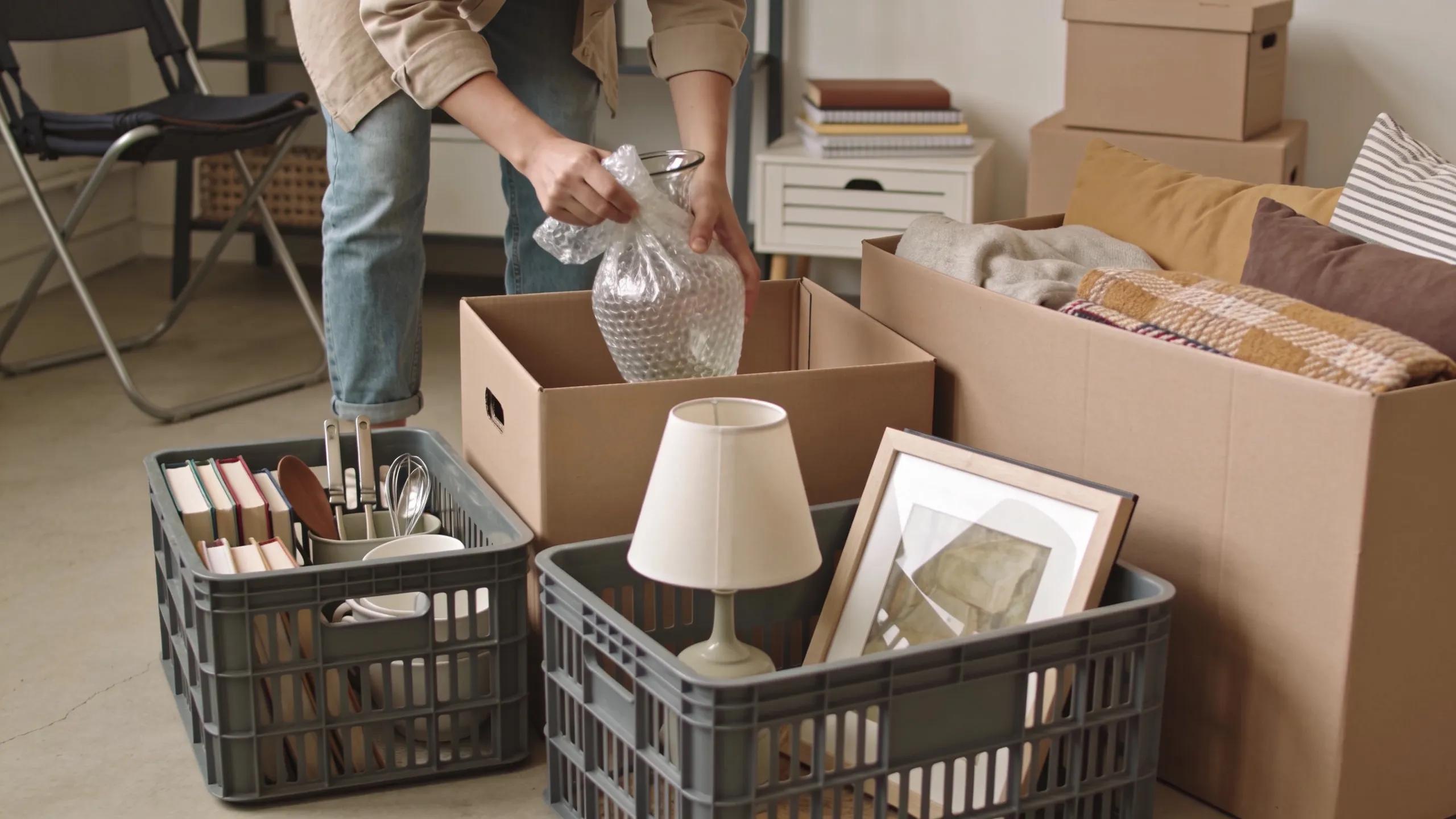
When moving multi-generationally in Denver, eco-friendly crate sizing offers a sustainable, convenient solution. Simplify your move while caring for the planet.
Choosing the Right Crate Sizes for Multi-Generational Moves: ReloCrate
By Xavier Lee, ReloCrate
Relocating a multi-generational family home can be a complex endeavor, requiring careful planning and execution to ensure a smooth transition. Central to this process is the effective use of large-volume crate sizes, which play a pivotal role in efficient packing and transportation. Understanding the appropriate crate dimensions based on the family’s unique needs can drastically streamline the moving process. This article aims to empower families by providing insights into crate size recommendations, packing strategies, and logistical considerations for multi-generational relocations. By assessing your inventory, exploring different packing techniques, and utilizing sustainable packing supplies, families can significantly ease the stress associated with moving. We will also cover how to estimate the number of crates needed based on various factors such as family size and belongings, and delve into the benefits of using eco-friendly moving supplies throughout the relocation.
Assess Your Inventory
Before selecting crate sizes, it’s important to evaluate the items that need to be transported. This initial assessment lays the groundwork for a successful packing strategy by allowing families to categorize their belongings effectively. Begin by identifying the types of items that exist in your household, from large furniture pieces to smaller personal effects. Take stock of fragile items, as these will require special handling and packing techniques. Group items according to their size and weight to determine which crate sizes will be most appropriate for different belongings. By conducting a thorough inventory, families can optimize their packing strategy and make informed decisions on crate utilization, heightening efficiencies from the onset of the move.
Crate Size Recommendations
Choosing the right crate size is essential for maximizing both space and efficiency. In general, large-volume crates come in three primary sizes: small, medium, and large, each designed for specific packing needs.
Small Crates
Small crates are ideal for packing books, smaller kitchenware, and personal items such as clothes and toys. Their compact size makes them easy to handle and transport. When using small crates, it’s essential to manage weight distribution effectively; aim to keep individual crates under 30 pounds to ensure they remain manageable for lifting and moving. This approach also prevents overcrowding, which can lead to damage during transport.
Medium Crates
Medium crates serve as a versatile option for a variety of household goods, including kitchen appliances and larger clothing items. They strike a balance between capacity and weight, allowing for the efficient packing of items that do not fit neatly into small crates. Families can fill medium crates with a mix of heavier items while ensuring that the total weight remains manageable. For optimal packing efficiency, it’s advisable to group similar items together, streamlining the unpacking process during the move.
Large Crates
Large crates are designed for bulky items such as oversized furniture, mattresses, and large kitchen appliances. While they can accommodate more significant volumes, careful consideration around weight is essential. It is crucial to ensure that loading large crates does not exceed weight limits, which can differ by moving truck specifications and local regulations. Utilizing appropriate packaging materials, such as bubble wrap or blankets, can prevent damage and ensure safe transport of larger items.
Room-by-Room Breakdown
A room-by-room breakdown is useful for estimating the number of crates required based on the size and contents of each room. For example, bedrooms typically contain several boxes worth of clothing, bedding, and personal items. Living areas often have a higher volume of furniture and decorative items. Assessing each room and listing the number of items will help determine an accurate count of small, medium, and large crates needed for the entire household. This systematic approach ensures no item is overlooked and helps in preparing a comprehensive packing strategy.
Packing Strategies
Effective packing strategies can greatly enhance the overall efficiency of the moving process. One recommended technique is to group similar items together, ensuring that related pieces are packed in the same crates. This will save time when unpacking and allows for better organization. Additionally, weight distribution should be carefully managed; heavier items should be placed at the bottom of the crates with lighter items on top. Labeling each crate with its contents and the room it belongs to will also facilitate smooth logistics during the move.
Transportation Logistics
Once packing is complete, attention turns to transportation logistics. Ensuring that crates are securely loaded into the moving vehicle is paramount for preventing damage during transit. Maximizing the vehicle’s space through proper arrangement is essential, as efficient use of space can lower overall moving costs. Employing a systematic loading technique, where heavier crates are placed first followed by lighter ones, will maintain balance and stability throughout the journey. Families considering relocation within Colorado can find specialized assistance through local moving services.
Consider Rental Options
Families should consider whether renting crates may be a more cost-effective solution than purchasing them. Renting crates not only reduces expenses, but it also offers environmental benefits. Reusable crates contribute less waste compared to single-use cardboard boxes, promoting a more sustainable moving process. Additionally, many rental companies offer delivery and pickup services, further simplifying logistics for families.
What Are the Best Large Moving Crate Sizes for Multi-Generational Home Relocations?
When selecting crate sizes for multi-generational home relocations, it’s vital to consider the different types of items being moved. Large crates are particularly beneficial for bulky furniture, while small and medium crates can accommodate smaller items. Utilizing the right mix of crate sizes enhances packing efficiency and protects items during transport. For all your moving needs, exploring options at ReloCrate can provide the ideal solutions.
How Do Standard Residential Crate Sizes Support Large Moves?
Standardized crate sizes support large moves by providing families with specific dimensions that cater to their packing needs. These include small crates for lightweight items, medium crates for a mix of items, and large crates for heavy or bulky goods. Understanding these standard sizes allows families to plan their relocation more effectively, ensuring that they have the right types of crates ready for use.
What Criteria Determine Optimal Crate Volume for Multi-Family Moves?
Several criteria can determine optimal crate volume for multi-family moves, including the number of occupants, types of items, and overall household size. Families should evaluate the number of items that need to be transported and categorize them appropriately. Furthermore, understanding the dimensions of available crates and how they correspond to different belongings will guide correct volume estimations.
How Many Bulk Packing Crates Are Needed for Multi-Generation Move Packing Solutions?
Estimating the number of bulk packing crates needed requires consideration of various factors, including the size of the home and the number of residents. A general guideline is to estimate at least one large crate for every two rooms in the home, while additional small and medium crates can be allocated for personal items and kitchenware. This strategy helps ensure that families have an adequate supply of crates to cover their packing needs.
How to Estimate Crate Quantities Based on Family Size and Belongings?
To estimate crate quantities effectively, families should assess their full inventory of items. A systematic approach involves counting items by category—such as clothing, furniture, and kitchenware—and applying standard estimates for crate sizes. For instance, a typical bedroom may require multiple small crates, while a communal living area may necessitate several medium and large crates.
What Are Efficient Strategies to Maximize Crate Usage and Packing Volume?
Maximizing crate usage can be achieved through strategic packing techniques. Families should make use of all available space within each crate, including filling gaps with smaller items or packing soft goods like blankets or clothing around fragile items. Practicing efficient packing not only optimizes the volume of belongings that can be transported but also helps in reducing the total number of crates needed for moving.
Which Eco-Friendly Moving Supplies Enhance Sustainability in Multi-Generational Moves?
Adopting eco-friendly moving supplies enhances sustainability efforts during multi-generational moves. Options such as biodegradable packing materials and reusable crates not only reduce waste but also provide better protection for belongings during transit. Additionally, using sustainable packing materials demonstrates a commitment to reducing the environmental impact of the moving process.
Why Choose Reusable Moving Crates Over Traditional Boxes?
Choosing reusable moving crates over traditional boxes offers significant advantages. These crates are more durable and can be stacked securely, reducing the risk of damage during transport. Furthermore, they eliminate the need for purchasing single-use boxes, which often contribute to landfill waste. Investing in reusable crates can lead to cost savings in the long run while promoting an eco-conscious ethos.
What Sustainable Materials Are Used in Large-Volume Crates?
Large-volume crates are often made from sustainable materials that provide both strength and eco-friendliness. For instance, many companies use recycled plastics to construct their crates, which helps reduce waste while ensuring durability. Some reusable crates may even be manufactured from biodegradable materials, making them a responsible choice for environmentally minded consumers.
What Are the Best Packing Techniques for Large Multi-Family Relocations?
Packing for large multi-family relocations involves employing strategies that enhance efficiency and safety. Carefully wrapping fragile items in protective materials, such as bubble wrap or packing paper, is essential to prevent breakage. Additionally, using furniture pads can safeguard larger items against scratches or damage during transit. Maintaining a checklist of packing techniques ensures that nothing is overlooked during the packing process.
How to Safely Pack Fragile Items in Large Moving Crates?
When packing fragile items in large moving crates, prioritizing protection is crucial. Begin by lining the crate with protective padding to cushion items. For particularly delicate objects, use additional spacing with bubble wrap or crumpled packing paper to absorb shock. Arranging heavier items at the bottom and lighter items on top will further ensure safety during the move, reducing the potential for damage.
What Are the Ergonomic Practices for Handling Large Crates During Moves?
Ergonomic practices are essential for safely handling large crates during moves. Techniques such as bending at the knees instead of at the waist, maintaining a straight back, and using the legs for lifting can significantly reduce the risk of injury. Additionally, wearing appropriate footwear with good grip can prevent slips and falls while maneuvering crates. Adopting a collaborative approach, where team members assist each other with heavier items, further promotes safety.
How to Plan Logistics and Timelines for Multi-Generational Family Home Moves?
Efficiently planning logistics and timelines for a multi-generational family home move requires thorough organization. Families should establish a detailed schedule that includes crate delivery, packing timelines, and moving day logistics. Setting timelines also involves coordinating family members’ availability and ensuring that everyone is informed about their responsibilities during the move. This structured approach ensures that no aspect is overlooked, contributing to a smoother transition.
What Are Typical Moving Timelines When Using Large-Volume Crates?
Moving timelines can vary depending on the complexity of the relocation and the volume of belongings being transported. For families utilizing large-volume crates, typical timelines range from several days to a few weeks. It is essential to factor in the time needed for packing, transporting, and unpacking crates, particularly when coordinating the move of multiple generations.
How Do Crate Sizing and Volume Estimation Influence Move Coordination?
Crate sizing and volume estimation play a significant role in move coordination. Properly estimating crate sizes ensures that families have the necessary equipment ready for use. This foresight reduces last-minute scrambling and ensures that all belongings are packed securely and efficiently. Additionally, understanding volume requirements assists families in planning the transportation logistics, leading to a more organized and seamless moving experience.
What Customer Success Stories Demonstrate Effective Use of Large Moving Crates?
Discovering customer success stories can provide real-world insights into the benefits of using large moving crates for family relocations. Families have reported smoother moves and less stress when using crates that allow for optimal packing. These stories often highlight the significant reduction in time spent unpacking due to the organized nature of crate packing, showcasing the effectiveness of large-volume crates in facilitating successful moves.
How Families Benefited From Using Reusable Crates in Multi-Generational Moves?
Families using reusable crates for their multi-generational moves have experienced substantial cost savings and enhanced convenience. By avoiding the need to purchase traditional packing boxes, families can utilize resources more efficiently. The ability to stack crates securely allows for safer transport, with less risk of damage compared to cardboard boxes that can easily collapse. As a result, families report an overall improvement in their moving experience.
What Lessons Were Learned About Crate Sizing and Packing From Past Moves?
Learning from past moves is crucial for making informed decisions regarding crate sizing and packing. Families often discover that allowing for extra space in crates facilitates better organization and minimizes the risk of damage. Additionally, adapting packing techniques based on previous experiences ensures that future moves are executed more smoothly. Continuous improvement in packing strategies reflects a commitment to enhancing the moving process.
What Are Frequently Asked Questions About Large-Volume Crate Sizing for Family Moves?
Understanding frequently asked questions about large-volume crate sizing can provide clarity for families planning their moves. Common inquiries may include how to determine the best crate size for specific items, how to effectively utilize space within each crate, and what sustainable practices can be implemented throughout the move. Addressing these questions will empower families with the knowledge needed to enhance their relocation experience.
Which Crate Sizes Are Best for Different Types of Household Items?
Selecting the appropriate crate sizes involves catering to various household items, ensuring their protection and ease of transport. For smaller kitchen appliances, medium crates are ideal, while delicate items may benefit from small crates with additional packing materials. Larger household items like furniture and mattresses should be placed in large crates, allowing for expeditious handling.
Are Reusable Large Crates More Cost-Effective Than Traditional Packing Boxes?
When considering cost-effectiveness, reusable large crates often present a superior option compared to traditional packing boxes. Although upfront rental or purchase costs may be higher, the longevity and durability of crates reduce the need for frequent replacements. Moreover, eliminating single-use materials leads to greater cost savings over time, as well as a reduced environmental footprint.
How to Use Volume Estimation Calculators and Interactive Guides for Crate Sizing?
Volume estimation calculators and interactive guides can greatly assist families in determining crate sizing needs more accurately. These tools allow for the input of specific details regarding inventory size and type, generating recommendations for the optimal number and size of crates needed. Utilizing such resources can streamline the packing process and enhance organizational efficiency during the move.
What Tools Help Estimate the Number and Size of Crates Needed?
Various tools and online resources exist to aid families in estimating crate needs effectively. From interactive calculators to mobile applications, these resources provide insights and facilitate strategic planning. They often guide families on utilizing their space optimally and align crate sizes with individual packing needs.
How Do Interactive Crate Sizing Guides Improve Move Preparation?
Interactive crate sizing guides enhance move preparation by offering features that allow families to visualize and strategize their packing process. These tools not only calculate crate sizes based on inventory input but also provide suggestions on maximizing packing efficiency. By utilizing technology in relocation planning, families can achieve a smoother and more organized moving experience.
Simplifying your estate moves is possible with a color-coded system. These eco-friendly tips make packing and organizing effortless while reducing waste.
Seniors in Denver can streamline their move with eco-friendly downsizing solutions. Experience convenient, sustainable options for a stress-free relocation.
Eco-friendly packing for DU students made easy with Fast Crate Solutions. Enjoy stress-free relocation while supporting sustainability in the Denver community.