Pack smart and sustainably for CU Boulder’s move-out! Find eco-friendly tips and reusable solutions that make moving easy while caring for the planet.
Sustainable CU Boulder Move-Out Tips with ReloCrate
By Xavier Lee, ReloCrate
As CU Boulder students approach move-out season, the challenge of how to pack efficiently and sustainably becomes increasingly important. With a focus on eco-friendly practices, this guide provides essential strategies for making your transition smoother while minimizing environmental impact. This resource aims to equip students with information about renting eco-friendly moving boxes, sustainable packing tips, and local opportunities for recycling and donating unused supplies. Many students face the daunting task of sorting through their belongings and deciding what to keep, donate, or recycle. With the right approach, moving can be an opportunity to declutter sustainably and responsibly.
In this article, we will explore renting eco-friendly moving boxes, practical sustainable packing methods, and various local resources available for CU Boulder students. We aim to create an environmentally conscious move that benefits both the students and the Boulder community.
Renting Eco-Friendly Moving Boxes
Renting eco-friendly moving boxes is an excellent option for CU Boulder students seeking to reduce their environmental footprint. These reusable containers offer a sustainable alternative to traditional cardboard boxes, which often end up in landfills after a single use. By choosing to rent, students can significantly cut down on waste and support a circular economy. The benefits of renting include convenience, as these boxes are sturdier and can be easily stacked, enhancing the moving process. Local rental options, such as ReloCrate, provide students with readily available access to high-quality reusable moving boxes. For those looking specifically for residential moving solutions, these reusable moving boxes are ideal.
In addition to reducing waste, renting eco-friendly moving boxes also saves time, as they come in various sizes to accommodate different items. When planning a move, renting boxes can streamline the packing process, allowing students to focus on organizing their belongings instead of sourcing cardboard boxes.
How Can CU Boulder Students Rent Reusable Moving Boxes Locally?
CU Boulder students can easily rent reusable moving boxes through local services. The process typically involves selecting the desired quantity and size of boxes online, with delivery and pickup options available for added convenience. Upon placing the order, students can have their eco-friendly boxes delivered directly to their location, making the moving process hassle-free. Utilizing local services not only supports the community but also ensures that students have access to sustainable packing materials effortlessly.
What Are the Benefits of Using Reusable Moving Boxes for Student Moves?
The use of reusable moving boxes offers several advantages for students. First, they are designed for durability, making them suitable for transporting a wide array of items, from delicate glassware to heavier books. Additionally, using reusable boxes can lead to cost savings over time, as students are not required to frequently purchase new moving supplies. Finally, opting for these boxes contributes positively to environmental sustainability by significantly reducing waste generated during the moving process.
Sustainable Packing Tips
Practicing sustainable packing is crucial for minimizing environmental impact during the move. Here are several effective packing tips to consider:
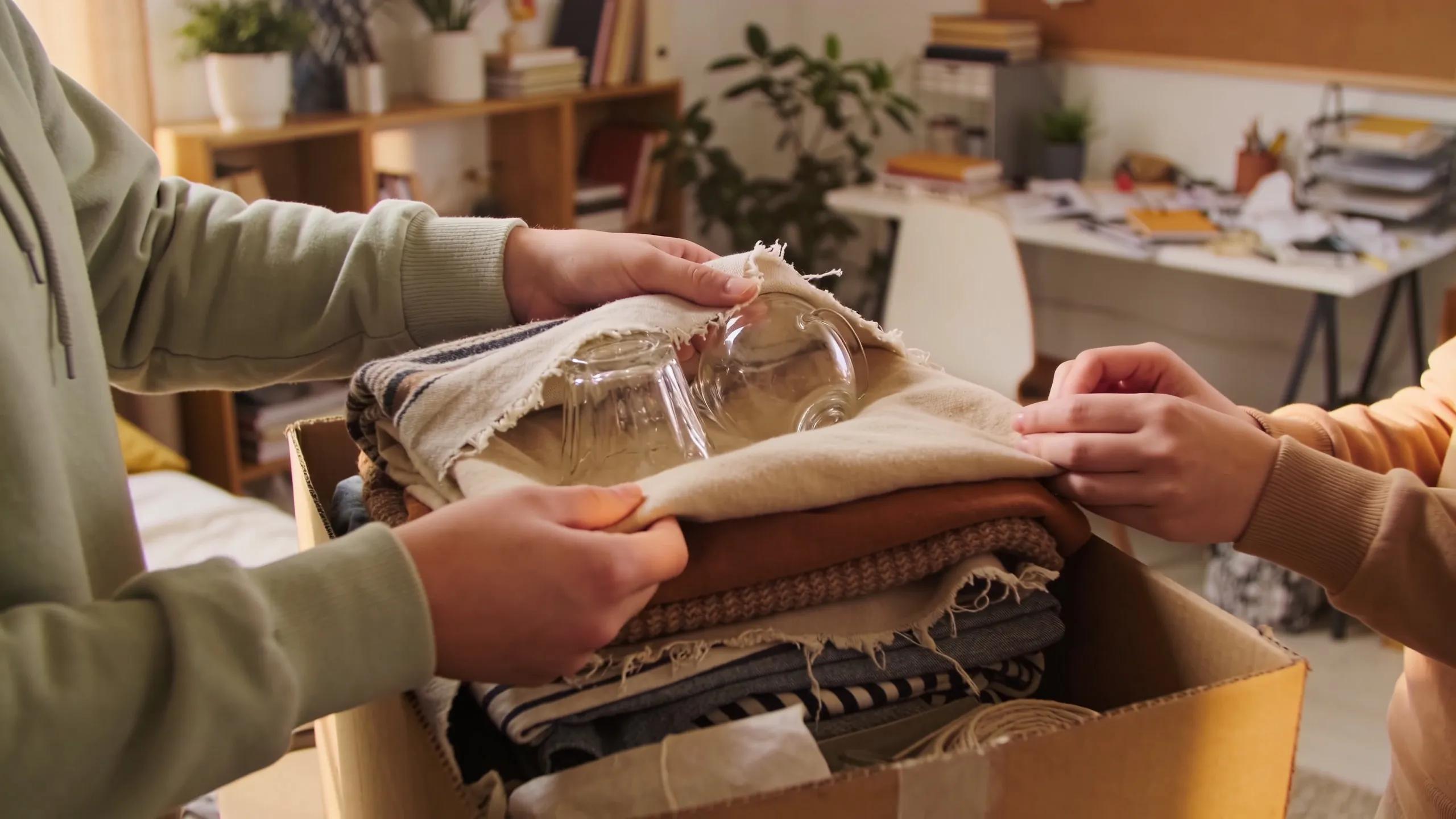
Use Textiles for Padding: Instead of relying on bubble wrap or plastic, consider using old towels, blankets, or clothing as protective padding for fragile items.
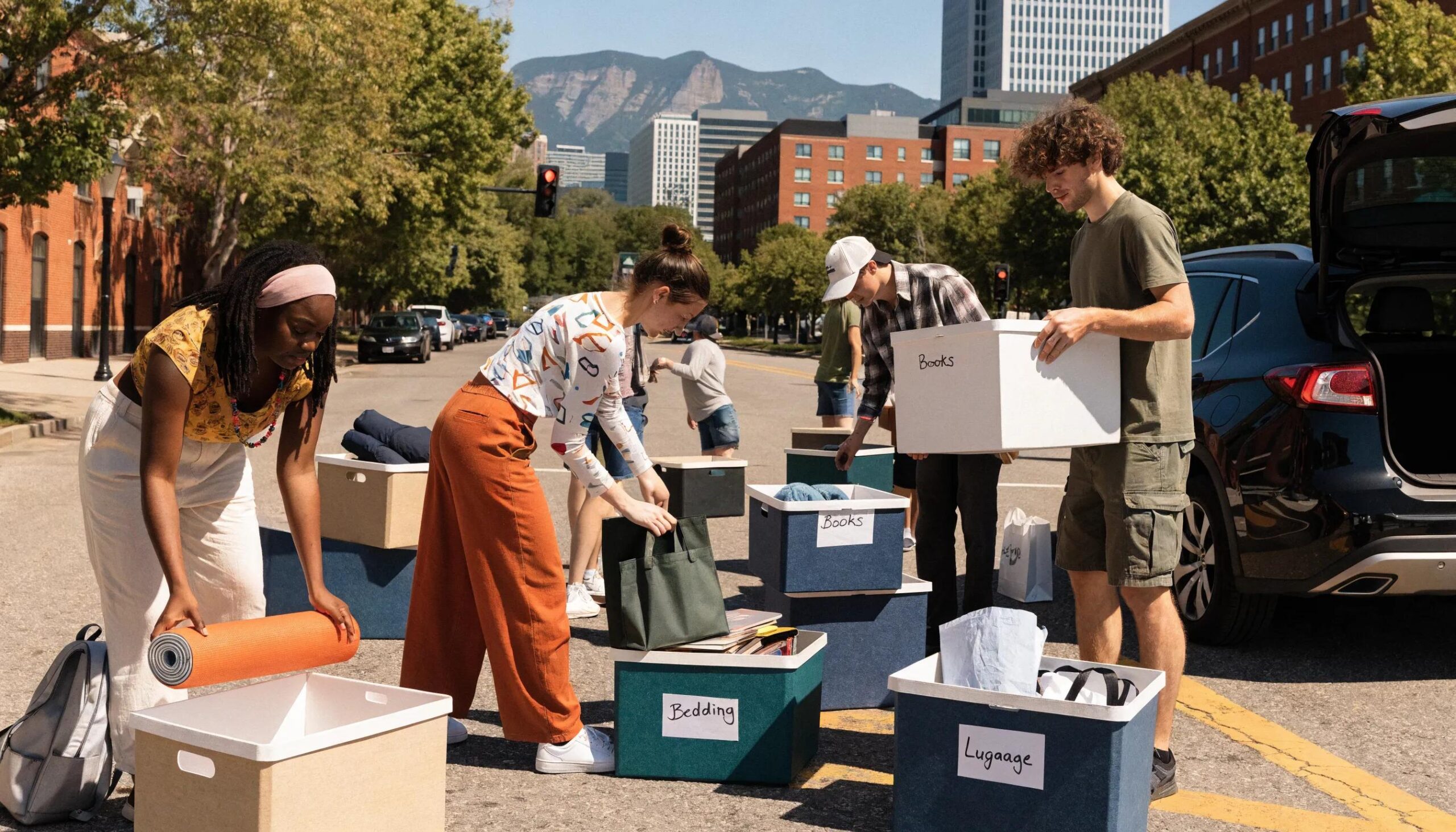
Label and Organize: Clearly label boxes and categorize items to simplify unpacking. This approach not only reduces confusion but allows for easier identification of items to be donated.
Plan Donations Before Moving: Assess belongings ahead of time to determine what can be donated or recycled, ensuring that unwanted items do not contribute to landfill waste.
These practices can make packing more efficient while promoting eco-friendly habits.
University programs have demonstrated the effectiveness of integrating recycling and reuse initiatives into student move-out processes to manage waste responsibly.
University Recycling & Reuse Programs for Student Move-Outs The goal of this thesis was to develop a program for the UNLV Residence Hall Recycling & Reuse Program for Move-In and Move-Out that would collect unwanted and unneeded materials from the residents and put them to use. Move-In collected cardboard boxes for recycling while Move-Out collected usable items such as shoes, clothes, food, bedding, and school supplies for resale.UNLV residence hall recycling & reuse program for move-in and move-out, 1999
Available Packing Materials
When it comes to eco-friendly packing materials, students at CU Boulder have several options available:
Biodegradable Packing Materials: These are made from natural substances that break down over time. Options include packing peanuts made from cornstarch or biodegradable bubble wrap.
Reusing Personal Items: Items such as linens, jackets, and worn-out clothing serve dual purposes, acting as packing materials while minimizing the need for additional supplies.
Renting Sustainable Packing Supplies: As previously mentioned, renting eco-friendly boxes can reduce waste related to traditional packing materials.
Exploring these available packing materials can help students pack responsibly while keeping their environmental impact to a minimum.
Strategies to Minimize Environmental Impact
To further minimize environmental impact during a move, CU Boulder students can implement several key strategies:
Plan for Donations: Identify local charities or organizations that accept donations and schedule drop-off dates to ensure unwanted items are given a new life instead of ending up in landfills.
Choose Sustainable Transport Options: Consider using public transportation or carpooling to reduce carbon emissions during the moving process. Additionally, some local services specialize in eco-friendly transport solutions.
These strategies provide effective ways to engage in sustainable moving practices while creating a positive impact on the community.
What Are the Best Eco-Friendly Packing Materials for Dorm and Apartment Moves?
Selecting the right packing materials is crucial for ensuring a sustainable move. The best eco-friendly packing materials include:
Recyclable Alternatives: Options like recycled paper or cardboard can be excellent substitutes for traditional supplies.
Using Personal Items for Packing: Besides textiles, think of items like old newspapers or magazines that can cushion fragile items without generating waste.
Plant-Based Packing Supplies: Materials made from bamboo or recycled plastics offer sustainable solutions and durability.
By opting for these materials, students can enhance their packing efficacy while maintaining ecological responsibility.
Which Sustainable Alternatives Replace Traditional Packing Supplies?
Numerous sustainable alternatives exist to replace traditional packing supplies:
Reusable Moving Crates: Designed for durability and ease of handling, these crates eliminate the need for single-use cardboard.
Biodegradable Packing Peanuts: As an eco-friendly cushioning material, these peanuts dissolve in water, making them an excellent replacement for plastic-based options.
Recycled Paper Products: Utilize paper products that are recycled to create cushioning material, minimizing demand for new resources.
These alternatives not only ensure a successful move but also support sustainable practices throughout the process.
How to Pack Dorm Room Items Safely with Green Materials?
Packing dorm room items requires careful consideration to ensure safety and efficiency. Here are a few strategies to keep in mind:
Using Textiles: Employ pillows and towels as protective padding for fragile items during transport.
Organizing Essentials: Create a packing list of essential items needed immediately after moving. This list ensures that critical items are easily accessible during the first days in the new home.
With a focus on using green materials, students can pack their items effectively while minimizing waste.
Where Can CU Boulder Students Donate or Recycle Packing Supplies in Boulder?
Many local organizations provide opportunities for CU Boulder students to donate or recycle packing supplies, ensuring responsible disposal of unwanted items. Here are some options:
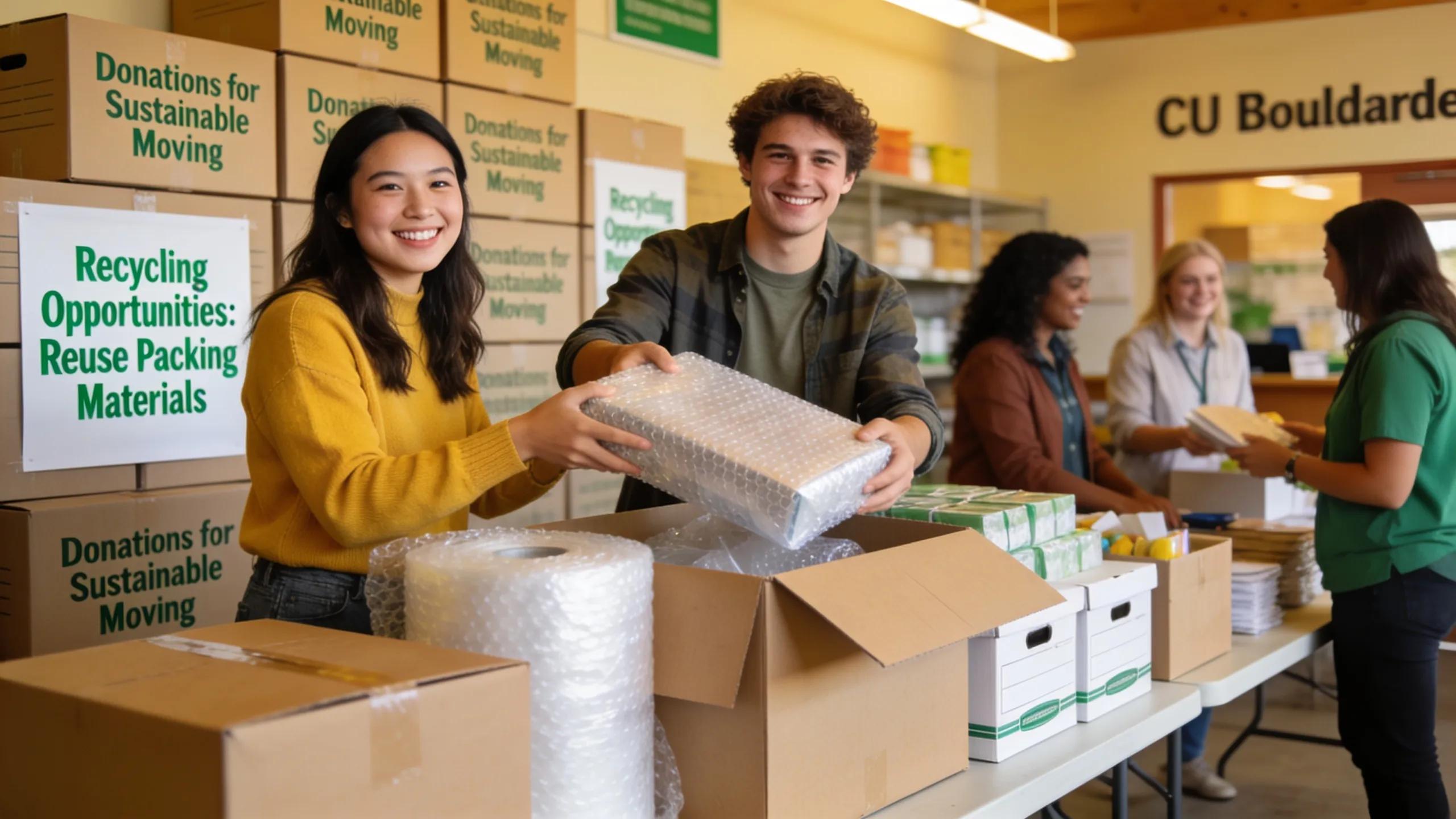
Local Donation Centers: Centers throughout Boulder, including second-hand shops, accept gently used packing materials and household items.
Community Recycling Programs: Various programs in Boulder allow for the recycling of materials like cardboard, paper, and certain plastics specifically designed for packing.
Leveraging these community resources aids in making a significant contribution to local sustainability.
What Local Donation Centers Accept Gently Used Moving Supplies?
For students looking to donate gently used moving supplies, several local organizations are available, including:
The Boulder Homeless Shelter: Accepts various household items, primarily for providing shelter residents with essential supplies.
Hope for Longmont: Focuses on assisting families in need and welcomes donations of packing materials and household goods.
Goodwill and Salvation Army Stores: These organizations allow for donations of general moving supplies and household items while providing tax deductions for contributors.
All of these centers contribute positively to local community support and sustainability.
How Can Students Recycle Packing Materials Responsibly in Boulder?
Students can responsibly recycle packing materials in Boulder by:
Utilizing Local Drop-Off Locations: Students should identify local centers that accept specific materials, such as cardboard boxes and plastic wraps.
Understanding Material Types: Knowing which types of plastics or papers are accepted by recycling facilities helps in organizing packing materials efficiently.
Recycling responsibly significantly contributes to reducing waste and promotes a circular economy.
What Are the Key Differences Between Dorm and Apartment Move-Outs?
Understanding the key differences between dorm and apartment move-outs is essential for CU Boulder students to accommodate their specific needs.
Packing Differences: Dorm rooms often have limited space, necessitating a more streamlined packing process, whereas apartments may allow for more abundant packing space.
Trash Disposal Differences: Students must understand the particular disposal rules established by their residence to avoid unnecessary fines or complications during their move.
By evaluating these differences, students can adopt tailored strategies for a successful moving experience.
How Does Packing Differ Between Dorm Rooms and Apartments?
Packing for dorm rooms and apartments varies significantly.
Space Limitations for Dorms: Students typically have less room to maneuver, resulting in a need for careful selection of items to pack and organize efficiently.
More Storage for Apartments: Apartments generally provide additional storage amenities, allowing students to pack a more extensive range of personal items.
These factors influence the overall organization and strategy employed during the packing process.
What Sustainable Strategies Suit Each Residence Type?
Each residence type requires customized sustainable strategies:
Effective Packing Methods for Each Type: Dorms may benefit from utilizing space-saving methods, while apartments can accommodate more comprehensive strategies.
Local Resource Differences: Recognizing available local resources, such as donation centers and dumpster services, can help tailor packing strategies for both dorms and apartments.
Adapting sustainable packing techniques to fit the unique aspects of dorms and apartments helps streamline moves.
What Are Essential Packing Checklists and Timelines for CU Boulder Students?
Creating an organized and effective packing checklist is essential for ensuring a successful move.
Creating a Sustainable Packing Checklist for Move-Out Day: Students should compile a list of items to retain, donate, recycle, or dispose of to streamline the moving process.
Ideal Timeline for Preparing for an Eco-Friendly Move: Generally, students should start planning their move 2-3 weeks in advance and establish a timetable for each stage of the packing and moving process.
These strategies can significantly improve packing efficiency and ensure a smooth move.
How to Create a Sustainable Packing Checklist for Move-Out Day?
To create a sustainable packing checklist, CU Boulder students should:
List Essential and Non-Essential Items: Prioritize items regularly used and those that can be donated or recycled.
Consider Packing Order: Pack items according to necessity, placing daily essentials at the top for easy access during the moving process.
Incorporate Eco-Friendly Packing Materials: Use available sustainable packing materials, such as textiles or rented boxes, where possible.
This checklist promotes efficiency and eco-friendly practices during the moving process.
What Is the Ideal Timeline to Prepare for an Eco-Friendly Move?
To prepare adequately for an eco-friendly move, students should consider the following timeline:
Planning Stage – 3 Weeks Before Move: Identify items to donate or recycle in advance, allowing ample time for drop-offs.
Packing – 1-2 Weeks Before Move: Begin packing non-essential items, ensuring a reminder to use sustainable materials where possible.
Final Preparations – 1-2 Days Before Move: Complete packing and double-check organization, ensuring all essentials are accessible.
An organized timeline helps reduce moving-day stress while promoting sustainable practices.
How Does Sustainability Impact Student Move-Out Choices at CU Boulder?
Sustainability increasingly influences student decisions throughout the move-out process. Many students in Boulder opt for eco-friendly solutions, particularly as awareness surrounding environmental concerns grows.
Environmental Considerations: A significant portion of the student body is conscious of their ecological footprint and prefers solutions that align with sustainable practices.
Cost-Effective Strategies: Sustainable options often lead to effective use of resources, ultimately saving money while supporting local economies.
These influences encourage mindful moving practices that resonate with the values of CU Boulder students.
What Are Current Trends in Student Interest Toward Green Moving Options?
Currently, there is a rising trend among CU Boulder students toward seeking green moving options.
Rising Popularity of Sustainable Choices: There is a marked increase in student participation in green initiatives, as evidenced by the demand for rental services and eco-friendly supplies.
Effects of Awareness Campaigns: Various programs focusing on sustainable practices are likely influencing students to adopt more responsible moving habits, further driving the trend toward eco-conscious decisions.
Recognizing this trend reflects a collective responsibility toward environmental stewardship among the student population.
How Do Boulder Waste Policies Support Sustainable Packing and Moving?
Boulder’s waste policies encourage students to engage in sustainable packing and moving practices.
Community Initiatives Promoting Recycling: Local programs within Boulder promote recycling and resource recovery, ensuring students have access to necessary recycling resources.
Incentives for Sustainable Practices: By supporting local businesses that offer eco-friendly resources, Boulder encourages students to choose sustainable options throughout the moving process.
These policies bolster community efforts to promote environmental health while supporting the values of the CU Boulder student body.
What Tips Help Students Reduce Environmental Impact During Move-Out?
Successfully reducing environmental impact during a move involves several practical tips for CU Boulder students:
Actions Students Can Take: Actively seek out eco-friendly packing materials and utilize public transportation for moving purposes.
Local Engagement Opportunities: Participate in community clean-up efforts or collaborative recycling locations to further promote environmental stewardship.
By adopting these insights, students can effectively lessen their environmental footprint during move-out.
How to Minimize Packing Waste Through Reuse and Recycling?
Minimizing packing waste is achievable through several actions:
Reusing Materials: Before acquiring new packing supplies, evaluate existing items to repurpose those suitable for packing.
Exploring Recycling Options: Identify local recycling centers and ensure materials are properly disposed of or recycled after use.
Implementing these practices creates a more sustainable moving experience.
Which Local Resources Assist in Sustainable Move-Out Efforts?
Various local resources can assist CU Boulder students during the move-out process:
Organizations Supporting Sustainable Moves: Local initiatives often provide sustainable packing materials and resources to assist students in their efforts.
Access to Eco-Friendly Supplies: Several Boulder businesses focus on providing eco-conscious moving solutions, making it easy for students to engage with sustainability.
Leveraging these resources can greatly facilitate sustainable practices when preparing for a move.
What Are Common Questions About Renting Eco-Friendly Moving Boxes in Boulder?
Renting eco-friendly moving boxes often generates several common questions among students.
Common Queries on Box Rentals: Students frequently inquire about the types of boxes available, pricing, and delivery options.
Local Services Overview: Various businesses offer rental services tailored to students’ needs, highlighting the availability of eco-friendly solutions.
Addressing these inquiries ensures students are informed about their options during the moving process.
How Do Rental Terms and Product Availability Work with Relocrate?
When using ReloCrate for renting moving boxes, understanding the terms and available products is crucial. For a comprehensive overview of their offerings, including details on various shop products, students can visit their website. This includes information on rental periods, pricing structures, and specific box dimensions to suit different needs. ReloCrate also offers services across different areas, and checking their Colorado service areas ensures availability for CU Boulder students.
Understanding Rental Agreements: Reviews and terms communicate essential details regarding rental periods and fees.
Services Provided: ReloCrate typically offers delivery and pick-up options, simplifying the moving experience for students.
Awareness of these terms helps students better plan their move.
Simplifying your estate moves is possible with a color-coded system. These eco-friendly tips make packing and organizing effortless while reducing waste.
Seniors in Denver can streamline their move with eco-friendly downsizing solutions. Experience convenient, sustainable options for a stress-free relocation.
Eco-friendly packing for DU students made easy with Fast Crate Solutions. Enjoy stress-free relocation while supporting sustainability in the Denver community.