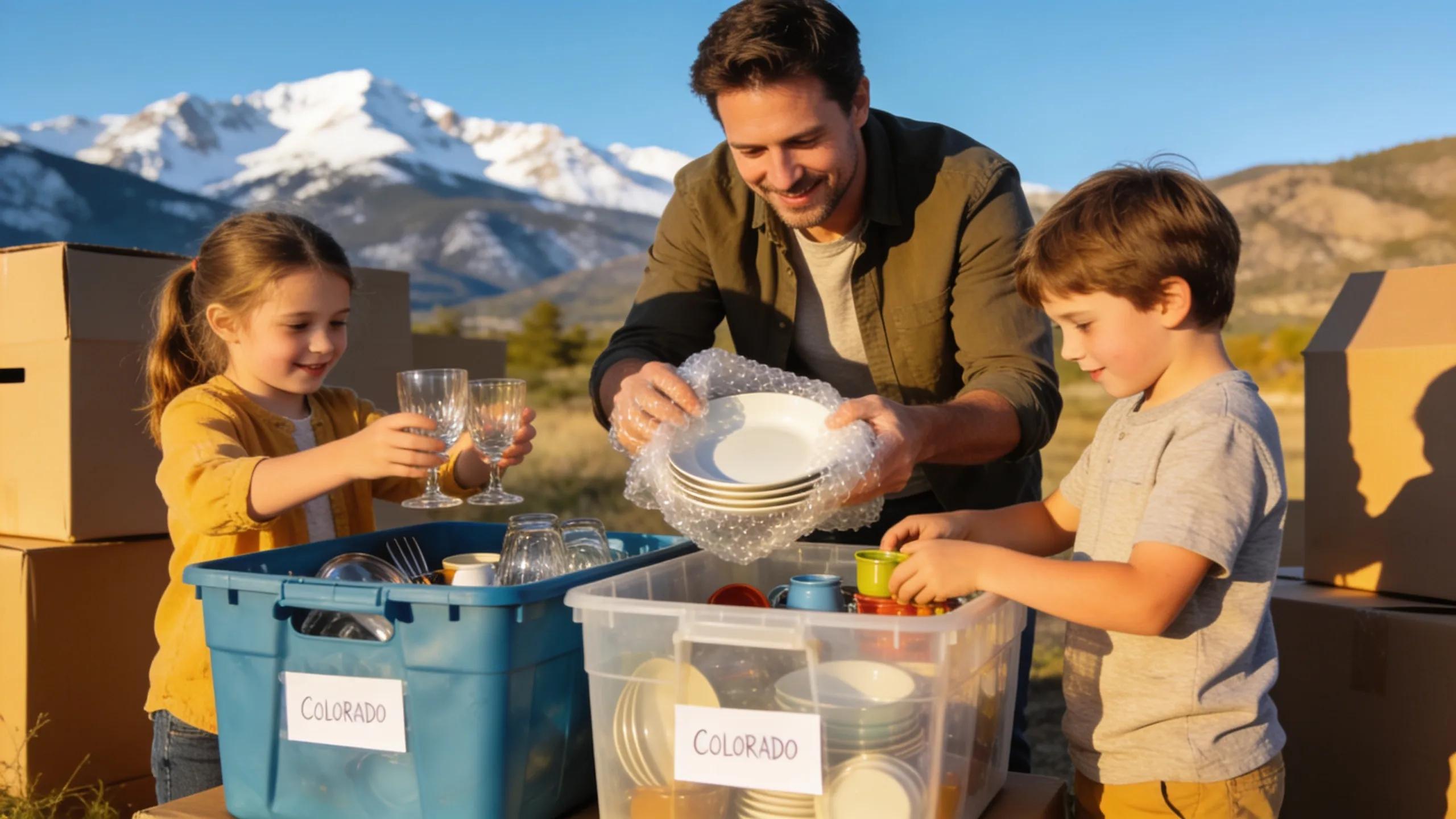
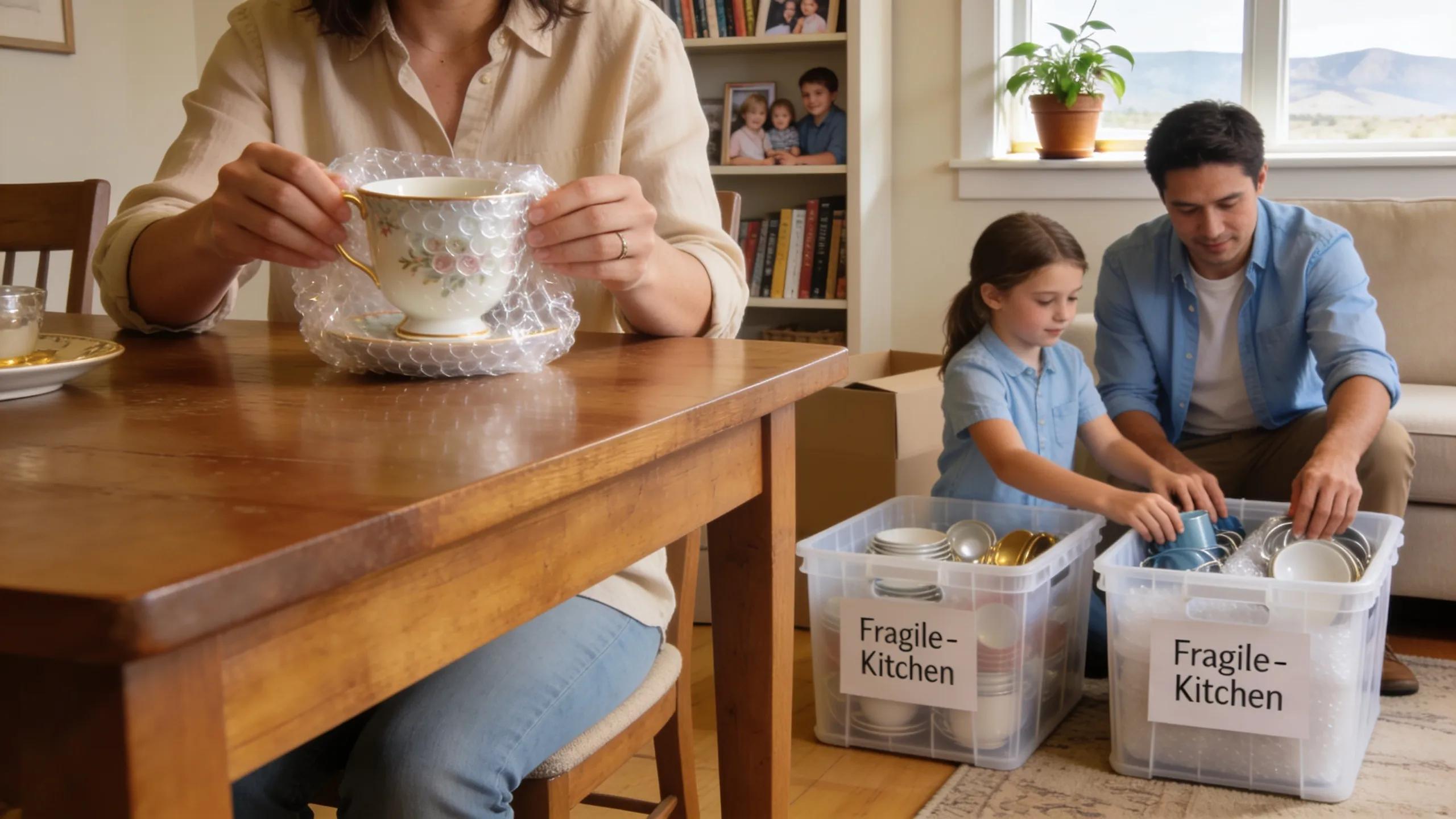
Learn efficient packing solutions for kitchenware and glassware that prioritize sustainability. Simplify your moving experience while being eco-friendly.
Packing Fragile Kitchenware Safely Using ReloCrate
By Xavier Lee, ReloCrate
Packing kitchenware and delicate glassware requires careful planning to ensure that items arrive at their destination intact. This guide will address effective strategies for packing these fragile items into reusable bins while preventing breakage and maximizing safety. By emphasizing proper materials and organization techniques, readers will gain insights on how to secure and manage kitchen items during a move. This article explores environmentally friendly packing solutions, offering practical strategies that include organization and handling practices.
Through well-planned packing, you can avoid the common pitfalls that lead to damage, making the moving experience smoother and more efficient. We will delve into the essential materials for packing, organization strategies, and the handling techniques necessary for fragile kitchenware. Furthermore, you’ll learn how using reusable moving bins improves both protection and sustainability compared to traditional packing approaches.
Proper Materials
Using the right materials is crucial in ensuring your kitchenware and glassware are safe during transport. Selecting strong and sustainable packing materials can significantly decrease the risk of breakage. For comprehensive moving solutions, consider exploring Relocrate.
Reusable Plastic Crates
Reusable plastic crates are an outstanding choice for packing kitchenware and delicate glassware. Their durability and moisture resistance make them perfect for holding fragile items securely. These crates can be stacked efficiently, allowing optimal use of space while minimizing the risk of items shifting during transport. Additionally, they are eco-friendly as they reduce the need for single-use packing materials.
Textiles for Padding
Incorporating textiles for padding can significantly enhance the safety of your fragile items. Materials like cotton and linen can provide necessary cushioning, reducing the possibility of cracks or breaks during transit. Textiles are a sustainable alternative to traditional bubble wrap, helping to minimize waste while providing effective protection for your kitchenware and glassware. By wrapping delicate items in fabric, you not only protect them but also contribute to a greener moving process.
Biodegradable Packing Materials
Biodegradable packing materials are an essential consideration for anyone looking to move sustainably. Materials such as biodegradable packing peanuts or recycled paper can offer excellent cushioning for fragile items while being environmentally friendly. Ensuring these materials work effectively keeps your kitchenware safe and reduces environmental impact, aligning with the growing trend of eco-conscious moving solutions.
Organization Strategies
Effective organization is paramount to ensure that your moving process is streamlined and that fragile items are well protected during transport.
Group by Room
Grouping kitchenware and glassware by room can simplify the packing and unpacking process. By organizing items based on where they belong, you can easily locate essentials after the move. This method not only aids in efficient packing but also reduces the time spent searching for items once you arrive at your new home, making the transition smoother.
Labeling
Labeling each bin is a critical tactic in the moving process. Clear labels help identify the contents and ensure that fragile items are handled appropriately by anyone involved in the move. By labeling bins effectively, you prevent mix-ups and make it easier to locate specific items—helping to alleviate stress during unpacking.
Weight Distribution
Maintaining proper weight distribution within your reusable bins is essential for safety. Oversized or heavy items should be placed at the bottom of the bin, with lighter and more fragile items on top. By ensuring that weight is evenly distributed, you enhance the stability of the bins and reduce the likelihood of crushing delicate items during transit.
Handling Practices
Implementing sound handling practices can profoundly impact the safety of your packed items, ensuring they remain intact throughout the move.
Wrap Fragile Items
Wrapping fragile items individually with protective materials is vital for safeguarding them during transport. Utilize padded textiles or biodegradable packing materials to provide cushioning for glasses, plates, and other delicate items. Properly wrapped kitchenware can withstand shifting and impact while in transit, minimizing the risk of chips, cracks, or breaks.
Use Dividers
Dividers can provide additional protection within your reusable bins, especially for glassware and dishes. Consider using compartment dividers or traditional cardboard dividers designed specifically for wine glasses or dishes. These tools help keep fragile items separated, reducing the likelihood of collision and breakage during the move.
Secure Lids
Ensuring that the lids of your reusable bins are secure is crucial to preventing any accidents. Lids that fit tightly can help protect contents from unexpected movements and impacts. Utilize bins with robust locking mechanisms if available, adding necessary security and stability during transportation.
What Are the Benefits of Using Reusable Moving Bins for Fragile Kitchen Items?
Using reusable moving bins offers diverse benefits, enhancing your packing experience while being environmentally conscious.
Benefit
Description
Impact Level
Enhanced Protection
Reusable moving bins are designed for durability, offering superior protection against breakage compared to traditional cardboard boxes.
High
Sustainability
These bins can be reused multiple times, significantly reducing waste compared to single-use packing materials.
High
Efficiency
Easy to stack and organize, these bins facilitate a seamless packing and unpacking process.
Medium
The use of reusable bins not only protects your kitchen items but also aligns with sustainable practices that contribute to a healthier planet.
How Do Reusable Bins Improve Breakage Prevention Compared to Traditional Boxes?
Reusable bins enhance breakage prevention due to their reinforced designs, which offer better structural integrity compared to standard cardboard boxes. Traditional boxes can become damp, losing their strength, while reusable bins remain robust and moisture-resistant. Furthermore, their ability to stack securely minimizes the risk of falling or shifting during transport, thereby securing fragile items effectively.
Why Are Eco-Friendly Packing Solutions Important for Moving Kitchenware?
Eco-friendly packing solutions play a vital role in reducing waste and promoting sustainability during moves. By choosing environmentally responsible materials like biodegradable packing supplies and washable, reusable bins, you support a healthier planet. This shift towards sustainable practices also resonates with many individuals, enhancing the overall moving experience.
Which Materials and Reusable Bins Are Best for Packing Glassware Safely?
Best Materials and Types of Reusable Bins
The best materials for packing glassware safely include reusable plastic crates with compartmentalized sections. Look for bins that have ample cushioning capabilities and sturdy lids, as these features will protect delicate items effectively. Additionally, bins made from recycled plastics are ideal for those concerned about environmental impacts.
Recommended Protective Materials
For optimal protection of glassware, using textiles such as dish towels or specialized padding materials, combined with biodegradable packing solutions, offers excellent results. Employing these materials ensures that glass items are shielded from shocks and potential damage.
Techniques for Ensuring Breakage-Free Packing
Effective packing techniques include placing items upright in their boxes, securing gaps with padding to prevent movement, and layering fragile items between sturdier objects. Consistently employing these techniques will significantly reduce the chance of breakage.
What Features Should You Look for in Reusable Moving Crates for Glassware?
When selecting reusable moving crates for glassware, look for:
Durability: Ensure the crates are made from high-quality materials that can withstand impacts.
Compartments: Bins with individual sections provide better security for delicate glass items.
Moisture Resistance: Look for bins that offer protection against water damage, maintaining contents’ safety.
Using crates designed for specific fragile items ensures that your glassware remains intact during the move.
How Do Cushioning Materials Like Bubble Wrap and Tissue Paper Complement Reusable Bins?
Cushioning materials such as bubble wrap and tissue paper serve as excellent complements to reusable bins by providing additional layers of protection. While reusable bins offer structural support, these cushioning materials fill voids and prevent items from moving or colliding. Using both together enhances safety, ensuring that the contents of bins remain secure during transit.
What Are the Step-by-Step Techniques to Pack Kitchenware and Glassware in Reusable Bins?
Packing kitchenware and glassware requires careful planning and execution. Follow these essential steps:
Clean and Prepare: Ensure that all items are clean and dry before packing to avoid any moisture-related issues.
Wrap Individually: Each fragile item should be wrapped in cushioning materials or textiles for added protection.
Arrange Wisely: Place heavier items at the bottom and lighter items on top, ensuring an even weight distribution.
Seal and Label: Secure the lid of the bin and label it clearly to identify fragile contents.
Implementing these steps will greatly reduce the risk of breakage during the moving process.
How Should You Clean and Prepare Kitchenware Before Packing?
Cleaning kitchenware involves washing and drying each piece thoroughly before packing. Avoid leaving any water on fragile items, as moisture can lead to damage over time. Preparing items by organizing them by room will facilitate easier packing and unpacking.
What Is the Recommended Wrapping and Arrangement Process Inside the Reusable Bins?
The recommended wrapping process involves using materials like padded cloth or biodegradable packing materials for each piece of fragile kitchenware. Inside the bins, heavier items should always be at the bottom, followed by lighter and more delicate pieces on top. This arrangement protects items and optimizes space during transport.
Which Breakage Prevention Techniques Are Essential When Using Reusable Moving Containers?
How Can You Avoid Common Mistakes That Lead to Glassware Damage During Moves?
Avoiding common mistakes such as overpacking bins, failing to secure lids properly, and neglecting to distribute weight evenly can greatly minimize damage. Always ensure items are packed snugly, with sufficient padding to absorb shocks.
What Are Industry-Recommended Practices for Securing Fragile Items in Reusable Bins?
Industry practices recommend using compartmentalized bins specifically designed for fragile items. Prioritizing the use of quality materials and ensuring that all gaps are filled with padding can secure glassware effectively. Following these practices enhances the likelihood of successful transport without damage. For specific residential moving needs, Relocrate’s residential moving bins are an excellent choice.
How Do Eco-Friendly Packing Materials Enhance Protection for Delicate Kitchenware?
What Sustainable Alternatives Exist to Conventional Packing Supplies?
Sustainable alternatives to conventional packing supplies include biodegradable packing peanuts, recycled paper, and cotton textiles for wrapping. These materials provide adequate protection while being environmentally friendly.
How Do These Materials Work in Combination with Reusable Bins for Maximum Safety?
When used in conjunction with durable reusable bins, sustainable packing materials enhance overall safety by cushioning fragile items and maintaining structure. This combination reinforces protective measures against both environmental impacts and physical threats during moves.
What Are the Best Practices on Moving Day for Handling Reusable Bins with Fragile Kitchen Items?
How Should You Label and Transport Reusable Bins to Minimize Risks?
Labeling bins clearly with appropriate markers indicating fragile contents ensures careful handling by movers. Additionally, securing bins during transport and avoiding any stacking that places weight on fragile items minimizes risks.
What Strategies Ensure Smooth Unpacking and Checking for Damage?
To facilitate a smooth unpacking process, create an organized unloading strategy by grouping bins by room. After unloading, inspect each item for damage immediately to address issues before settling everything into place.
How Can Relocrate’s Reusable Moving Crates Provide Unique Solutions for Fragile Packing?
What Are the Key Features of Relocrate’s Plastic Moving Containers for Glassware?
Relocrate specializes in high-quality plastic moving containers that are durable, stackable, and moisture-resistant, providing excellent protection for delicate glassware during transit. Each container is designed to close securely, ensuring contents remain safe throughout the moving process.
Are There Case Studies Showing Reduced Breakage Using Relocrate Bins?
Numerous case studies demonstrate that utilizing Relocrate bins significantly decreases breakage rates compared to traditional moving methods. Feedback shows that users appreciate the enhanced safety and organization these bins offer, highlighting their effectiveness in fragile item transportation.
What Are Common Questions About Packing Glassware Safely Answered?
What Is the Best Way to Pack Glassware Without Breakage?
The best approach for packing glassware involves using padded wraps, secure compartments, and ensuring proper weight distribution within bins. Investing in high-quality packing materials and methods greatly increases packing success. Consider commercial moving solutions from Relocrate if you are moving a business.
Can Reusable Bins Protect Delicate Kitchenware Better Than Boxes?
Yes, reusable bins offer superior protection compared to standard cardboard boxes due to their sturdiness, moisture resistant properties, and ability to be securely closed. This comprehensive protection reduces risks associated with traditional packing methods significantly.
Simplifying your estate moves is possible with a color-coded system. These eco-friendly tips make packing and organizing effortless while reducing waste.
Seniors in Denver can streamline their move with eco-friendly downsizing solutions. Experience convenient, sustainable options for a stress-free relocation.
Eco-friendly packing for DU students made easy with Fast Crate Solutions. Enjoy stress-free relocation while supporting sustainability in the Denver community.