

Plastic Moving Boxes vs Cardboard: The Ultimate Comparison Guide for Denver Movers
When it comes to moving, choosing the right type of box can significantly impact the efficiency and safety of your relocation. This guide delves into the comparison between plastic moving boxes and traditional cardboard boxes, specifically tailored for movers in Denver. Readers will learn about the key differences, cost implications, practical benefits, and how to make the best choice for their moving needs. Many movers face challenges such as durability, environmental concerns, and cost-effectiveness when selecting packing materials. This article aims to provide clarity on these issues, helping you make an informed decision. We will explore the differences between plastic and cardboard boxes, analyze their costs, highlight the benefits of plastic options, discuss the pros and cons of cardboard, and offer guidance on choosing the right type for your move.
What Are the Key Differences Between Plastic and Cardboard Moving Boxes?
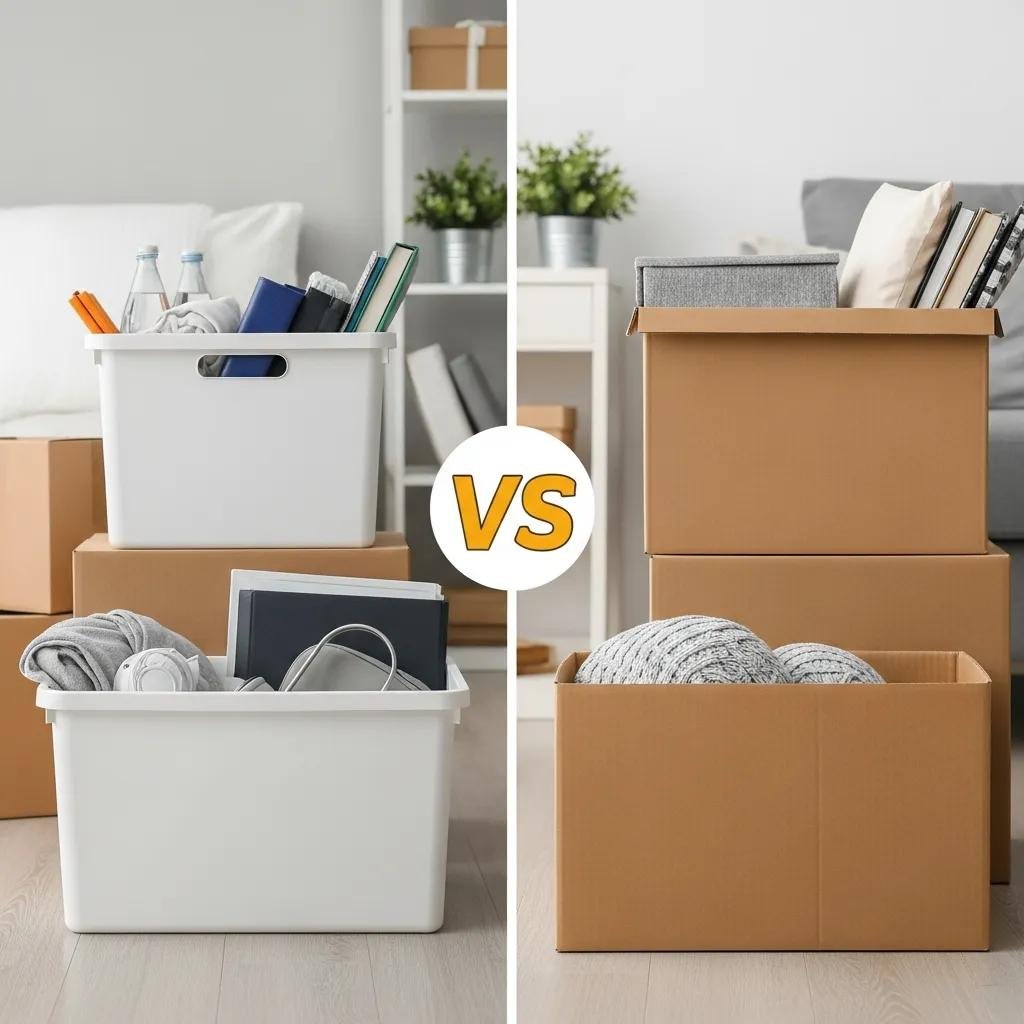
Plastic moving boxes and cardboard boxes serve the same fundamental purpose but differ significantly in several aspects. Plastic boxes are known for their durability and reusability, making them a sustainable choice for frequent movers. In contrast, cardboard boxes are often more readily available and less expensive but can be less durable and more susceptible to damage from moisture.
The key differences include:
- Durability: Plastic boxes can withstand more wear and tear compared to cardboard, which can easily crush or tear.
- Reusability: Plastic boxes can be used multiple times, while cardboard is often single-use or reused a few times depending on condition.
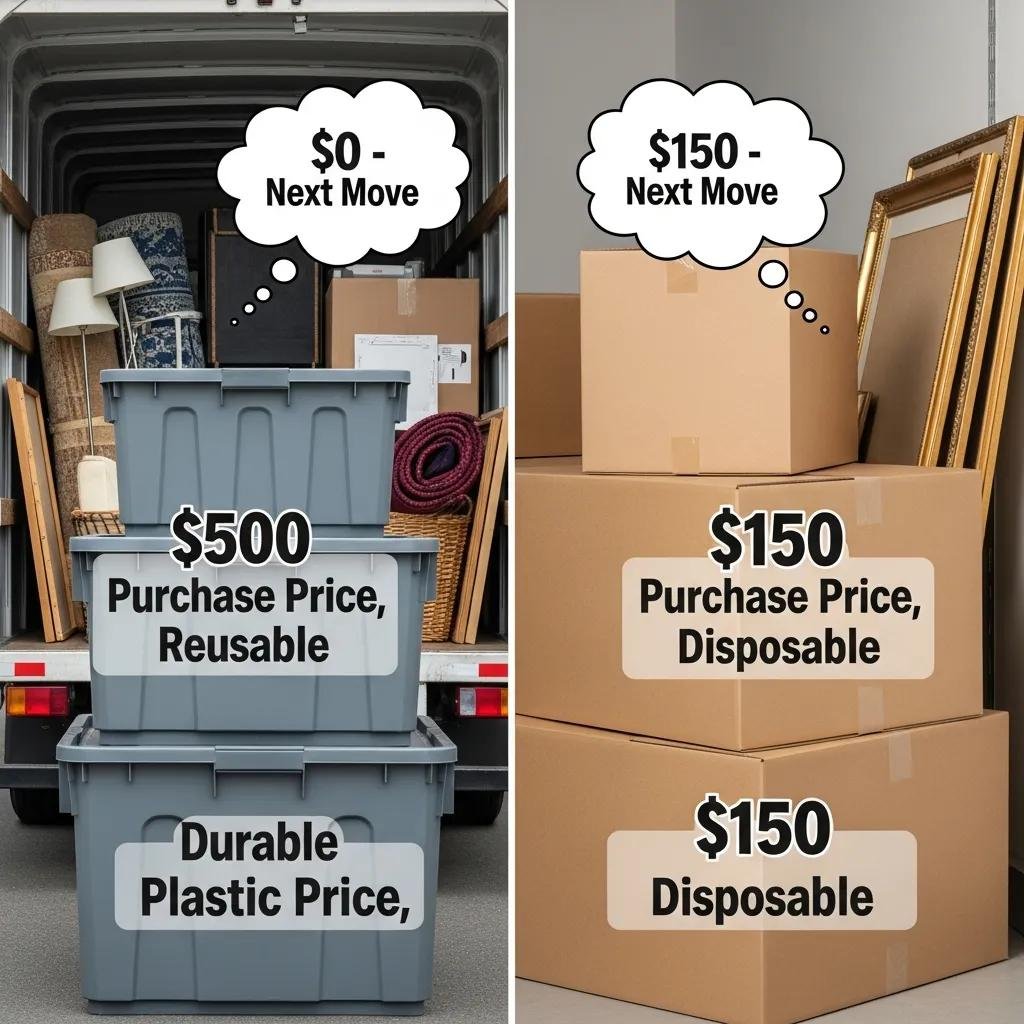
- Cost: While plastic boxes may have a higher upfront cost, their longevity can lead to savings over time.
- Assembly Time: Plastic boxes often come pre-assembled, whereas cardboard boxes require assembly.
- Disposal: Cardboard is recyclable and biodegradable, while plastic boxes contribute to waste if not reused or recycled properly.
- Environmental Impact: Plastic boxes are often seen as less eco-friendly unless reused multiple times, while cardboard is biodegradable and recyclable.
Understanding these differences can help movers in Denver make a more informed choice based on their specific needs.
How Do Costs Compare Between Plastic and Cardboard Moving Boxes?
When evaluating the costs of plastic versus cardboard moving boxes, it’s essential to consider both initial expenses and long-term savings.
- Initial Costs: Plastic moving boxes typically range from $2 to $6 each, depending on size and rental options.Cardboard boxes can be purchased for as little as $1 to $3 each, making them a more budget-friendly option upfront.
- Long-term Savings: Although plastic boxes have a higher initial cost, their durability means they can be reused for multiple moves, potentially saving money in the long run.Cardboard boxes may require frequent replacement, leading to higher cumulative costs over time.
- Additional Costs: Consider rental fees for plastic boxes, which can vary based on the rental duration and quantity needed.Cardboard boxes may incur additional costs for packing tape and protective materials to ensure their integrity during the move.
| Box Type | Initial Cost | Reusability | Long-term Cost Impact |
|---|---|---|---|
| Plastic | $2 – $6 | High | Lower overall cost |
| Cardboard | $1 – $3 | Low | Higher overall cost |
This cost comparison highlights the importance of considering both immediate and future expenses when selecting moving boxes.
What Are the Practical Benefits of Plastic Moving Boxes for Denver Movers?
Plastic moving boxes offer several practical advantages that can enhance the moving experience for Denver residents. These benefits include:
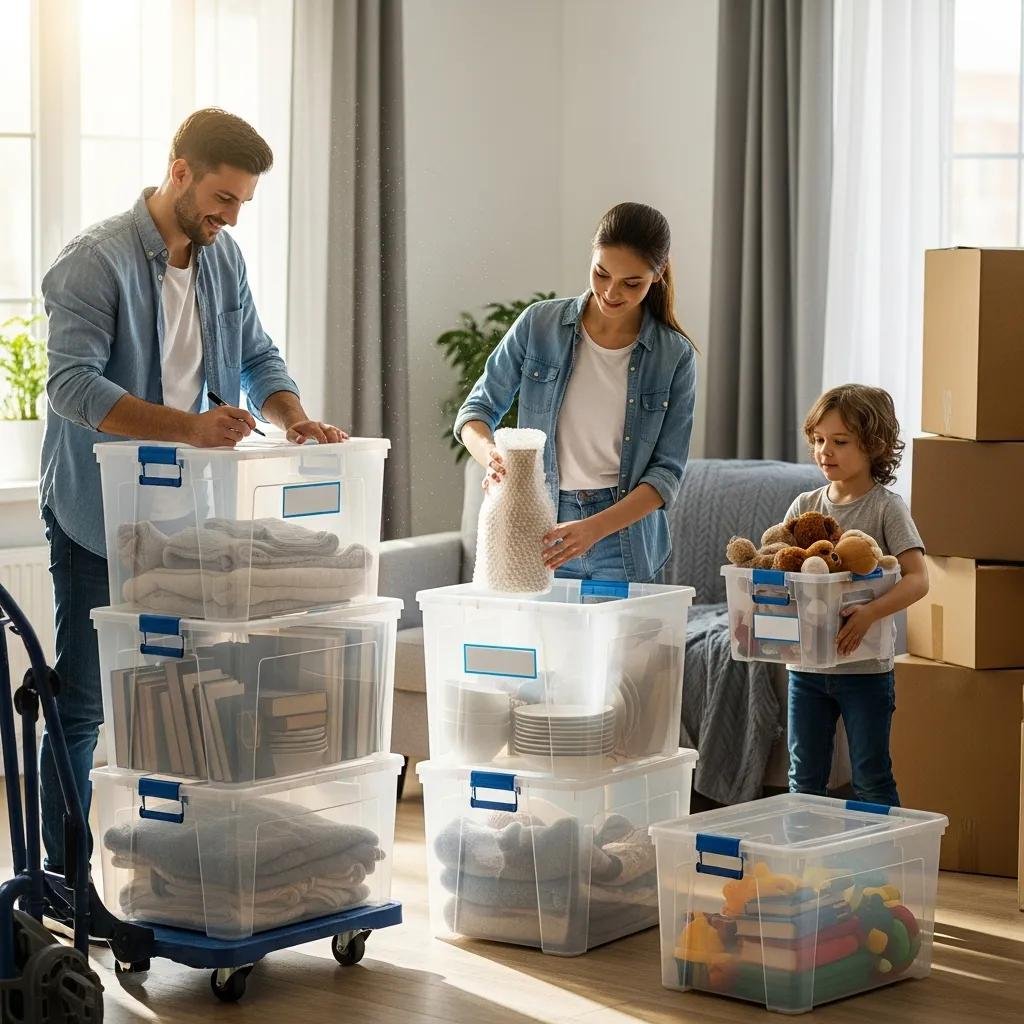
- Faster Packing and Loading: The sturdy design of plastic boxes allows for quicker packing, as they can be stacked securely without the risk of collapsing.
- Lower Waste Generation: By reusing plastic boxes, movers can significantly reduce the amount of waste generated compared to single-use cardboard boxes.
- Better Protection for Items: Plastic boxes provide superior protection against moisture and damage, ensuring that belongings arrive at their destination intact.
These practical benefits make plastic moving boxes an appealing option for those looking to streamline their moving process while minimizing environmental impact.
What Are the Pros and Cons of Cardboard Moving Boxes?
Cardboard moving boxes have been a staple in the moving industry for years, and they come with their own set of advantages and disadvantages.
Pros of Cardboard Moving Boxes
- Cost-Effective: Cardboard boxes are generally cheaper than plastic options, making them accessible for budget-conscious movers.
- Lightweight: They are lighter than plastic boxes, which can make transporting them easier.
- Easily Available: Cardboard boxes can often be sourced from local stores or online, making them readily available for immediate use.
Cons of Cardboard Moving Boxes
- Less Durable: Cardboard boxes can easily become damaged by moisture or heavy items, leading to potential breakage during the move.
- Single-Use or Limited Reuse: Most cardboard boxes are designed for one-time use or can be reused a few times if kept in good condition, which can lead to increased waste.
- Assembly Required: Cardboard boxes need to be assembled before use, which can add time to the packing process.
Understanding these pros and cons can help movers weigh their options effectively.
How to Choose Between Plastic and Cardboard Moving Boxes for Your Denver Move?
Choosing the right type of moving box depends on several factors, including budget, frequency of moves, and environmental considerations. Here are some key factors to consider:
- Frequency of Use: If you move frequently, investing in durable plastic boxes may be more cost-effective in the long run.
- Budget Constraints: For those on a tight budget, cardboard boxes may be the more practical choice, especially for a one-time move.
- Environmental Impact: Consider the sustainability of your choice. If reducing waste is a priority, reusable plastic boxes may align better with your values.
- Item Protection: Evaluate the fragility of your belongings. For delicate items, plastic boxes offer better protection against damage.
By assessing these factors, Denver movers can make a more informed decision that aligns with their specific needs and values.
For those in need of “residential move” options, it’s worth exploring various solutions to ensure a smooth transition.
Additionally, if you’re considering a “commercial move”, understanding the differences between box types becomes even more critical for protecting valuable business assets.
When it comes to moving and packing, having the right supplies is essential. You can shop products designed to make your move easier and more efficient.
For those specifically moving within or to the Denver area, it’s beneficial to explore service areas that cater to your unique moving needs.
To ensure a seamless moving experience, consider exploring all available options at Relo crate, where you can find a variety of moving solutions tailored to your specific requirements.