Sustainable Packing Materials and Moving Supplies in Denver: ReloCrate
As the demand for sustainable practices grows, eco-friendly moving supplies have become essential for environmentally conscious consumers. This article explores various sustainable alternatives to traditional packing materials available in Denver, highlighting their benefits and practical applications. Readers will learn about biodegradable packing materials, recycled moving boxes, and eco-friendly bubble wrap alternatives, all while discovering how these options contribute to a greener moving experience. The challenge many face is finding effective, sustainable solutions that do not compromise on quality or safety. This guide will provide insights into the best eco-friendly moving supplies, where to find them locally, and tips for minimizing waste during your move.
Understanding the full environmental impact of packaging requires a comprehensive look at its entire life cycle, from raw material extraction to disposal.
Sustainable Design & Environmental Impact of Packaging
The development and production of products in a more sustainable way has received special attention in recent years. In particular, packaging products range from single materials with simple designs as well as complex ones that include different materials (cardboard, woody boards, paper, plastics, etc.). A comprehensive assessment of the environmental impacts of a product’s life cycle comprises functions from the extraction of raw materials to waste management and disposal (i.e., the life cycle-assessment perspective).
Sustainable design of packaging materials, S González-García, 2015
What Are the Best Biodegradable Packing Materials for Eco-Friendly Moves?
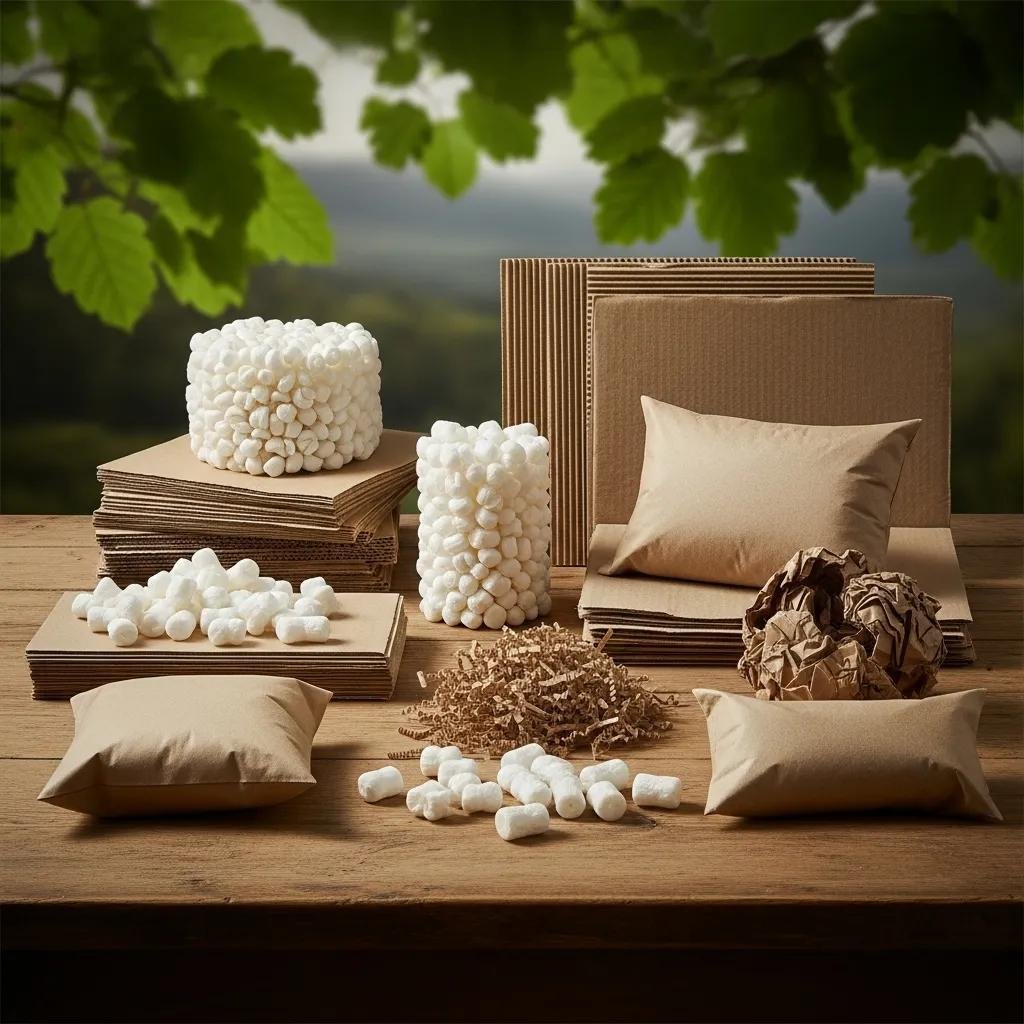
Biodegradable packing materials are designed to break down naturally, reducing landfill waste and environmental impact. These materials, such as biodegradable packing peanuts and fillers, offer a sustainable alternative to traditional plastic packing materials. By choosing biodegradable options, movers can significantly decrease their ecological footprint while ensuring the safety of their belongings during transit.
Benefits of Biodegradable Packing Peanuts and Fillers
Biodegradable packing peanuts and fillers provide several environmental benefits. They are made from natural materials like starches or vegetable-based compounds that decompose over time, unlike traditional polystyrene peanuts, which can take hundreds of years to break down. Additionally, these eco-friendly options are non-toxic and safe for wildlife, as they do not release harmful chemicals into the environment. By using biodegradable materials, movers can contribute to a healthier planet while effectively protecting their items.
Further research into innovative biodegradable materials, such as those derived from agricultural waste, continues to expand the possibilities for sustainable packaging.
Biodegradable Packaging Film from Groundnut Shells
The growing accumulation of agricultural waste, particularly groundnut shells, presents significant environmental concerns due to methane emissions and greenhouse gas release from crop residue burning. Groundnut shell powder, a biodegradable byproduct, offers potential as a raw material for bio-nanocomposite films. This study focuses on the development of biodegradable packaging films from groundnut shell powder, evaluating their physicochemical and mechanical properties while optimizing process parameters.
Development and comparative study of biodegradable packaging film from groundnut shell powder, S Kaur, 2025
How Compostable Packing Peanuts Reduce Environmental Impact
Compostable packing peanuts are a specific type of biodegradable material that can be added to compost piles after use. They decompose quickly, typically within a few weeks to months, and enrich the soil with organic matter. This process helps reduce landfill waste and supports sustainable practices by returning organic matter to the earth. By choosing compostable options, movers can minimize their environmental impact and promote a circular economy.
How Do Recycled and Reusable Moving Boxes Support Sustainable Moving in Denver?
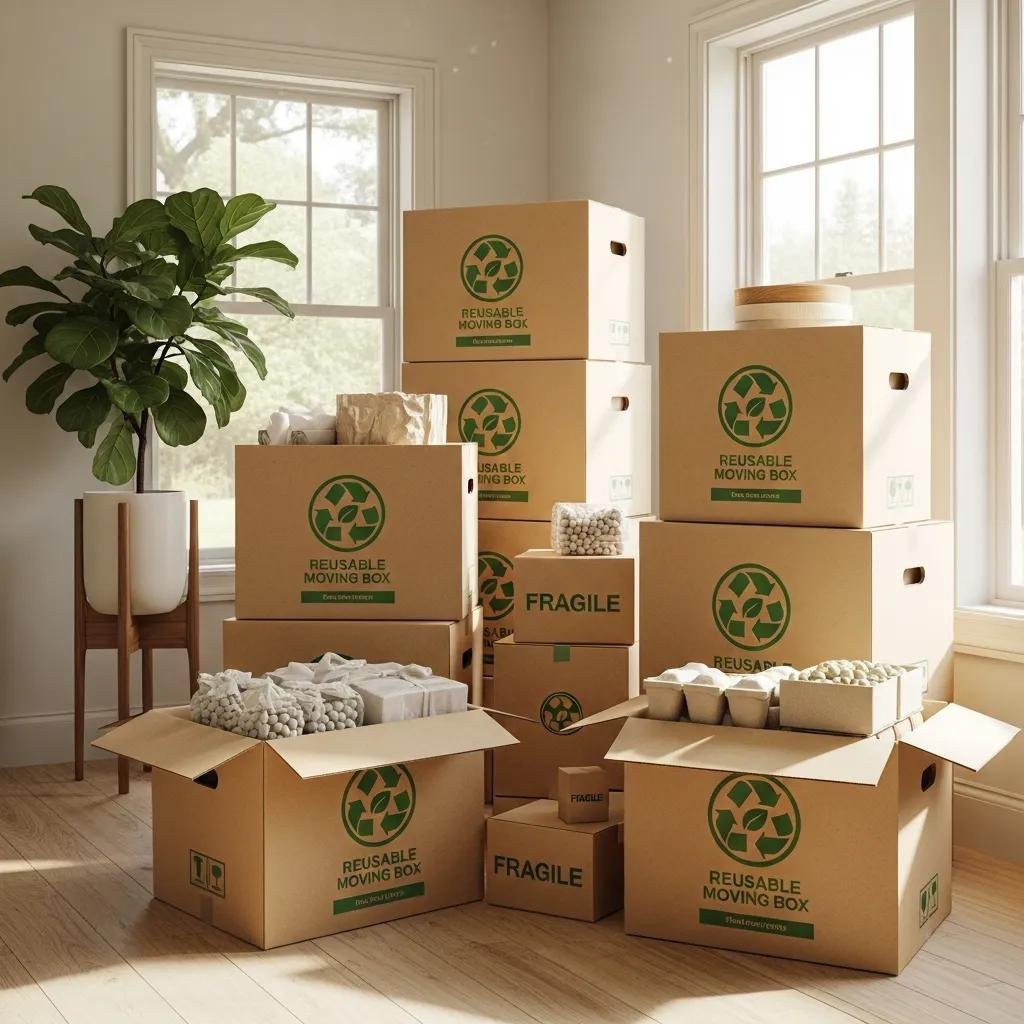
Recycled and reusable moving boxes are excellent alternatives to traditional cardboard boxes, offering both environmental and practical benefits. These boxes are made from post-consumer materials, reducing the need for new resources and minimizing waste. Additionally, using reusable boxes can save money in the long run, as they can be rented or returned after use.
The broader concept of recycling plays a crucial role in mitigating environmental damage by transforming waste into valuable new resources.
Environmental Benefits of Recycling Waste Materials
Recycling is the process of converting waste materials into new materials and objects. This concept often includes the recovery of energy from waste materials. The recyclability of a material depends on its ability to reacquire the properties it had in its original state. It is an alternative to “conventional” waste disposal that can save material and help lower greenhouse gas emissions. It can also prevent the waste of potentially useful materials and reduce the consumption of fresh raw materials, reducing energy use, air pollution (from incineration) and water pollution (from landfilling).
Retail moving services Richmond
Comparing Recycled Cardboard Boxes to Traditional Boxes
When comparing recycled cardboard boxes to traditional boxes, several factors come into play. Recycled boxes are often just as durable as their traditional counterparts, providing the same level of protection for belongings. Moreover, they are typically more environmentally friendly, as they help reduce deforestation and the carbon footprint associated with producing new cardboard. The cost of recycled boxes may also be lower, especially when considering the potential for reuse.
Advantages of Renting Reusable Moving Boxes Locally
Renting reusable moving boxes from local providers offers numerous advantages. Not only does it reduce waste by eliminating the need for single-use boxes, but it also provides convenience and cost-effectiveness. Local rental services often offer standardized box sizes, making packing and stacking easier. Additionally, many of these services ensure that the boxes are cleaned, maintained, and sanitized, providing a reliable option for eco-conscious movers.
What Eco-Friendly Bubble Wrap Alternatives Are Available for Safe Packing?
Eco-friendly bubble wrap alternatives are essential for protecting fragile items during a move without harming the environment. These alternatives are designed to provide cushioning comparable to traditional bubble wrap while being made from sustainable materials.
Plant-Based and Compostable Bubble Wrap Options
Plant-based bubble wrap options are made from renewable resources, such as cornstarch or other biodegradable materials. These alternatives offer similar protective qualities as traditional bubble wrap but decompose naturally, reducing waste. Compostable bubble wraps can be added to compost piles, further supporting sustainable practices.
Protective Qualities of Sustainable Packing Wraps
Sustainable packing wraps, including those made from recycled paper or biodegradable materials, provide effective protection for items during transit. They are designed to offer adequate cushioning, moisture resistance, and durability, ensuring that belongings remain safe from damage. By using these eco-friendly options, movers can protect their items while also contributing to a more sustainable future.
Where Can You Find Sustainable Packing Supplies Locally in Denver?
Finding sustainable packing supplies in Denver is easier than ever, with several local suppliers offering eco-friendly products. These suppliers provide a range of options, from biodegradable packing materials to reusable moving boxes, making it convenient for consumers to make environmentally responsible choices.
Local Denver Suppliers Offering Certified Eco-Friendly Products
Several local suppliers in Denver specialize in eco-friendly moving supplies. These businesses offer a variety of products, including biodegradable packing peanuts, recycled boxes, and plant-based bubble wrap. By supporting local suppliers, consumers can ensure they are purchasing certified eco-friendly products that meet recognized sustainability standards.
How to Verify Sustainability Certifications and Material Types
When shopping for sustainable packing supplies, it’s essential to verify the sustainability certifications and material types. Consumers should look for labels indicating that products are made from recycled, biodegradable, or compostable materials. Additionally, contacting suppliers for information about their sourcing and manufacturing processes can help ensure that the products meet credible eco-friendly standards.
What Are Effective Zero Waste Moving Tips Using Sustainable Supplies?
Implementing zero waste moving strategies can significantly reduce the environmental impact of a move. By utilizing sustainable supplies and practices, individuals can minimize waste and promote a more eco-friendly moving experience.
Strategies to Minimize Waste During Residential and Commercial Moves
To minimize waste during a move, consider the following strategies:
- Use Reusable Crates: Opt for reusable plastic crates instead of cardboard boxes to reduce waste.
- Label and Inventory: Keep track of items to avoid unnecessary purchases and ensure efficient packing.
- Pack by Priority: Focus on packing essential items first to streamline the moving process and reduce the need for excess materials.
How to Reuse and Recycle Moving Materials After Your Move
After the move, it’s crucial to consider how to reuse and recycle packing materials. For instance, rented bins can be returned to the supplier, while cardboard boxes can be recycled or repurposed for storage. Additionally, biodegradable materials can be composted, contributing to a sustainable cycle of use.
For those seeking a convenient and eco-friendly moving solution, consider exploring ReloCrate, a company specializing in residential moving and commercial move options. Their services provide a sustainable alternative to traditional packing methods.