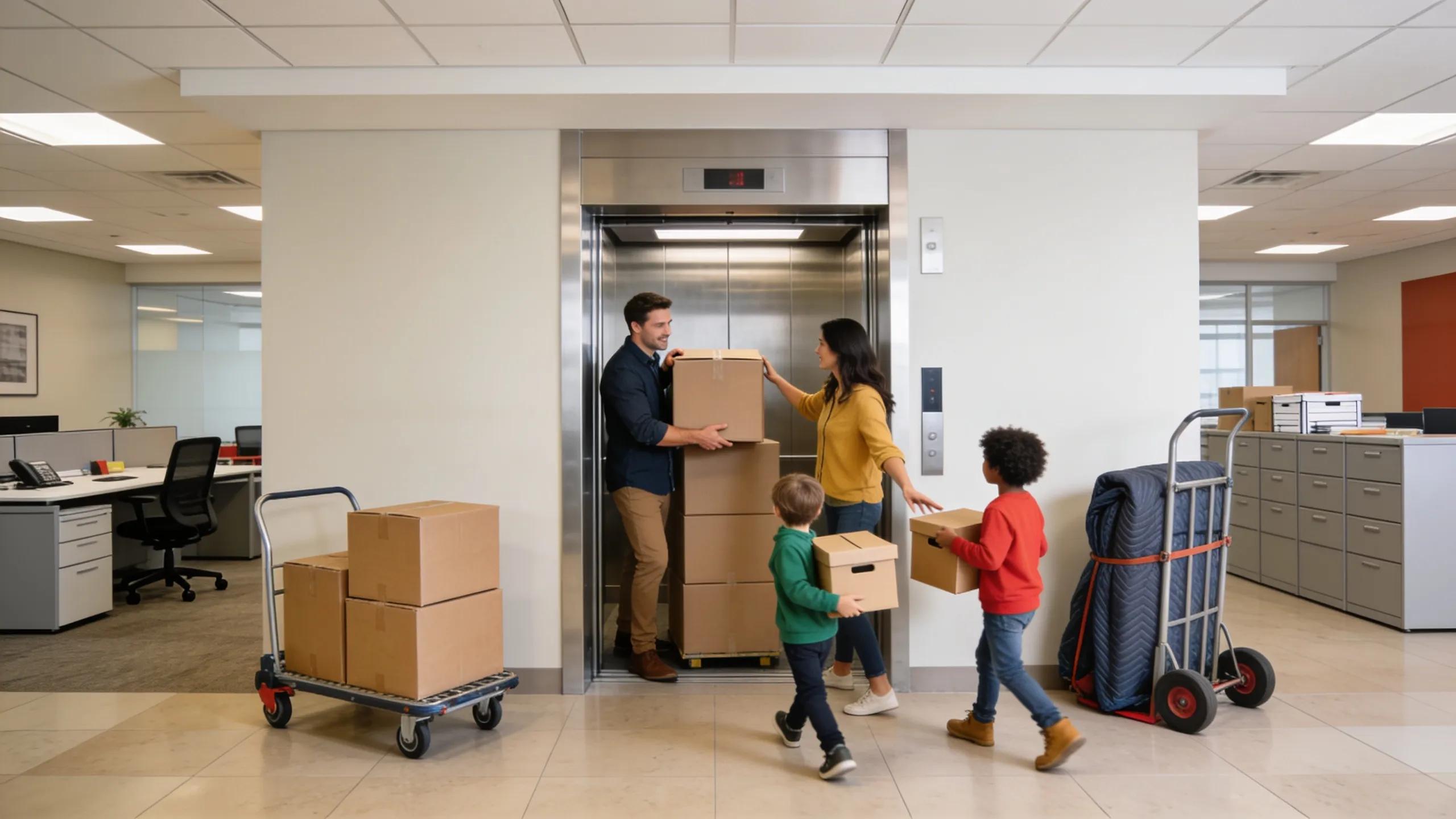
An eco-friendly office move in downtown Denver is easy with expert guidance on loading docks and elevators, ensuring a smooth and sustainable transition.
Downtown Denver Office Moves: The ReloCrate Guide
By Xavier Lee, ReloCrate
Navigating office relocations in Downtown Denver requires a comprehensive understanding of logistical requirements, particularly concerning loading docks, freight elevators, and Certificate of Insurance (COI) compliance. As urban office spaces become increasingly complex, knowing the best practices can streamline moves and prevent disruptions. This guide addresses key considerations for coordinating loading dock access, managing freight elevator requirements, and ensuring proper COI documentation to facilitate smooth office transitions.
Many companies face challenges during relocations, including restricted access times and intricate insurance requirements. This article outlines effective strategies and essential knowledge that can ease the moving process. We will cover crucial loading dock techniques, freight elevator compliance, COI requirements, necessary permits, and effective risk management practices.
What Are the Key Loading Dock Coordination Techniques for Denver Office Moves?
Effective loading dock coordination involves several critical techniques that ensure an organized and efficient move. Scheduling with building management is paramount, as it helps avoid conflicts and ensures the secure use of loading facilities. Additionally, clear communication with movers regarding specific timing and the load required promotes smoother transitions. Understanding the logistics of loading dock access significantly contributes to operational efficiency during office relocations.
Coordination techniques should be tailored to the unique requirements of the facility and the scale of the move. Advanced planning paired with a detailed timeline can effectively mitigate last-minute challenges, making this approach essential for successful commercial moves in Downtown Denver.
How Do Loading Dock Access and Scheduling Impact Office Relocations?
Loading dock access profoundly impacts the logistics of office relocations. The significance of making advance reservations cannot be overstressed, as it ensures that movers have a designated timeframe to perform their operations efficiently. This functionality not only enhances the overall operational efficiency during the move, but it also minimizes downtime that could disrupt business activities.
Moreover, coordinating access between movers and building management ensures that all necessary protocols are followed, further reinforcing the importance of timely scheduling. These strategic measures in loading dock management will lead to better outcomes for office relocations.
What Are the Best Practices for Managing Loading Dock Logistics Downtown?
Managing loading dock logistics efficiently in Downtown Denver encompasses several best practices. Advance planning to accommodate the specific needs of each move is vital. Foreseeing potential barriers and ensuring all parties are informed is essential for logistical success. Utilizing moving apps for coordination can streamline communication and track progress, ensuring all team members stay aligned throughout the moving process.
Additionally, understanding the building regulations helps avoid costly delays. Preparing for compliance with local ordinances and ensuring adherence to any specific requirements set by building management can significantly enhance the experience of the relocation process.
How Do Freight Elevator Requirements Affect Corporate Office Moves in Denver?
Freight elevator requirements are critical factors in corporate office moves, directly influencing how equipment and supplies are transported within buildings. Understanding size limitations and weight restrictions is necessary for organizations planning a move. Freight elevators often have strict capacity regulations, which can pose challenges if not thoroughly assessed prior to relocation.
Ensuring compliance with these requirements can help businesses avoid unnecessary delays and complications during their moving process. Next, we will explore the implications of scheduling these elevators effectively to align with overall moving timelines.
What Are Denver Freight Elevator Weight and Size Limits for Office Equipment?
Knowing the weight and size limits for office equipment when utilizing freight elevators in Denver is essential. Typically, each freight elevator will have maximum dimensions and weight capacities that determine what types of furniture and equipment can be transported.
For example, standard freight elevators might tolerate weights of up to 3,000 pounds and dimensions that accommodate pallets and larger office furniture. These specifications must be factored into the planning process to ensure that all equipment can be safely and efficiently moved without damage or delay.
How Should Freight Elevator Scheduling Be Coordinated During Office Relocation?
Effective scheduling of freight elevators is crucial during office relocations, requiring strategic planning ahead of the move. Coordination with building management should occur well in advance; this includes confirming reservations for specific move dates to secure access. Clear communication with moving teams is vital, as this ensures everyone is aware of the allocated time slots and any potential contingencies.
A streamlined approach to freight elevator scheduling can drastically reduce operational hiccups, facilitating a more efficient moving experience. With logistics tightly coordinated, relocations can proceed seamlessly while minimizing impact on business operations.
What Are the Certificate of Insurance Requirements for Downtown Denver Office Moves?
Understanding COI requirements is imperative for Downtown Denver office moves. Compliance is necessary to ensure that all parties are protected during the moving process. Coverage usually encompasses property damage, liability protection, and worker’s compensation, ensuring a comprehensive safety net during relocations.
It is essential for companies to familiarize themselves with the types of coverage required and to prepare the necessary documentation early in the relocation process.
Which COI Coverage Types and Endorsements Are Necessary for Commercial Moves?
For commercial moves, certain COI coverage types and endorsements are particularly crucial. Depending on the assets being moved and the specific requirements of the building management, businesses may need to secure general liability coverage, property insurance, and additional named insured endorsements.
Understanding these requirements beforehand can ease the approval process and help avoid unnecessary delays as companies prepare for their move.
What Is the Step-by-Step Process for COI Submission and Compliance in Denver?
The process for COI submission typically involves a systematic approach to ensure compliance. Businesses should begin by gathering all relevant documentation that confirms their coverage types. Next, it’s crucial to submit these documents well in advance of the move date to building management for review.
Establishing a clear timeline for obtaining and submitting the COI documentation will enable companies to focus on other aspects of the move without last-minute compliance concerns.
Which Permits and Municipal Regulations Govern Office Relocations in Downtown Denver?
Permits and municipal regulations are crucial components to consider during office relocations in Downtown Denver. Companies must ensure that they are aware of local requirements governing moving, especially for larger operations that might disrupt public access.
Common regulations include adherence to parking restrictions, street closures, or permits required for using public space. Awareness and compliance with these regulations can help avoid penalties and facilitate smoother logistical operations.
What City of Denver Building Access Rules Apply to Commercial Move Events?
Building access rules dictate how moves are conducted within Downtown Denver. These rules commonly require that all moving teams adhere to specific timelines, including restricted access during peak hours. Understanding these rules is essential for ensuring that the moving process does not interfere with other tenants or the facility’s operations.
This awareness aids in fostering goodwill with building management and reduces potential conflicts during the move.
How Do Move Timing and Permit Scheduling Affect Downtown Office Relocations?
Strategizing move timing and permit scheduling impacts the overall efficiency of office relocations. Companies that effectively sequence their relocation efforts to align with permitted moving windows can significantly minimize disruptions. Successful moves often hinge on obtaining the necessary permits ahead of time, allowing for seamless operations on the scheduled day.
Understanding the timing best practices can provide businesses with clarity, ensuring that relocations proceed without a hitch.
How Can Insurance Best Practices and Risk Management Reduce Move Disruptions?
Implementing robust insurance practices and effective risk management strategies is crucial for minimizing disruptions during moves. Early engagement with insurers to review coverage can prevent complications that might arise unexpectedly during the relocation process.
Subsequently, communicating policies clearly with all involved parties ensures that everyone understands the guidelines and responsibilities, helping to avoid potential financial losses.
What Are Common Insurance Claims and Compliance Issues in Denver Office Moves?
Common compliance issues arise when documentation is missing or inadequate coverage is provided, resulting in potential claims. These can include damage to property during transit or injuries that may occur on-site. Properly managing these risks through effective communication and compliance with legislative requirements helps businesses mitigate complications.
By maintaining clarity in their operations and adhering to stipulated insurance requirements, companies are better equipped to handle unforeseen circumstances.
How Are 2024–2026 Insurance Trends Influencing Commercial Move Policies?
Recent insurance trends are poised to influence policies in the commercial move sector. Increased emphasis on comprehensive coverage options is bringing forth new best practices. Moving companies are adapting to these changes by developing specialized packages that cater to unique client needs, addressing modern concerns around liability and asset protection.
Not only do these trends reveal important insights into best management practices, but they also present opportunities for advancements in the logistics of moving strategies.
What Are the Essential Checklists and Case Studies Demonstrating Successful Downtown Office Moves?
Utilizing checklists during office relocations aids in ensuring no detail is overlooked. Essential checklists should cover all aspects tied to loading dock utilization, freight elevator access, and COI requirements to facilitate smoother transitions.
Which Compliance Checklists Cover Loading Dock, Elevator, and COI Requirements?
Compliance checklists play a vital role in office moves. These documents can include detailed listings of the necessary permits, coordination notes for loading dock access, and freight elevator schedules.
Leveraging these resources can enhance strategic planning, allowing businesses to execute moves seamlessly.
What Lessons Do Denver Office Move Case Studies Offer for Logistics Planning?
Case studies offer valuable lessons for logistics planning. Analyzed data from previous moves can highlight effective strategies and common pitfalls to avoid. Learning from real-life scenarios equips businesses with a framework to navigate their specific challenges during relocation.
Understanding these insights emphasizes the importance of preparation, planning, and adherence to best practices.
How Should Facility Coordinators and Office Managers Prepare for Downtown Denver Moves?
Facility coordinators and office managers have pivotal roles in ensuring smooth relocations. Establishing clear timelines that outline responsibilities and deadlines facilitates efficient task management.
What Scheduling Tips Optimize Loading Dock and Freight Elevator Usage?
Optimizing the use of loading docks and freight elevators involves implementing scheduling practices that minimize conflicts while maximizing efficiency. Establishing specific times for loading activities and using modern tools can greatly enhance coordination.
These scheduling techniques ensure that both loading dock and elevator resources are utilized effectively, reducing delays and enhancing overall operational flow.
How to Ensure COI and Permit Documentation Meets Municipal Standards?
Ensuring that COI and permit documentation complies with municipal standards is critical for successful office moves. Proactive engagement with local authorities to clarify requirements can streamline the submission process.
Staying informed about the latest city regulations and permitting requirements helps businesses meet necessary compliance effortlessly, enhancing reliability during their move.
For comprehensive moving solutions across various needs, consider exploring Relocrate moving services. They offer expertise that can be invaluable for both residential and commercial relocations.
When planning a move, understanding the scope of services available is key. Residential moving services cater to household needs, while commercial moves require a different approach.
Navigating the complexities of relocating your business requires specialized attention. Ensure your move is handled with efficiency and care by understanding the offerings for commercial moving services.
Beyond the move itself, many companies require assistance with associated logistics. This can include securing packing supplies or specialized equipment, which can be found by looking into moving products.
It’s also beneficial to know the specific areas a moving company serves. For those in the region, understanding Colorado service areas ensures alignment with local expertise.
Simplifying your estate moves is possible with a color-coded system. These eco-friendly tips make packing and organizing effortless while reducing waste.
Seniors in Denver can streamline their move with eco-friendly downsizing solutions. Experience convenient, sustainable options for a stress-free relocation.
Eco-friendly packing for DU students made easy with Fast Crate Solutions. Enjoy stress-free relocation while supporting sustainability in the Denver community.